Highlights:
- A duplex has two separate units, each with its own entrance and living spaces.
- It offers flexibility for rental income, multigenerational living, or personal use.
- Layouts include side-by-side, stacked, or split-level designs.
- Benefits include privacy, shared maintenance, family space, and investment potential.
- Drawbacks can include noise, landlord duties, higher costs, and resale complexity.
- Customization, storage solutions, and organized shared areas make duplex living comfortable.
If you’re thinking about buying a home, you’ve probably come across the term “duplex.” But what exactly is a duplex, and why do so many homeowners and investors consider it an appealing choice? In this guide, we’ll break down everything you need to know about duplexes, from their definition and layouts to the benefits, drawbacks, and practical tips for living in one. Whether you’re looking for a primary residence, a rental opportunity, or a multigenerational setup, this article will give you a clear picture of what owning a duplex entails.
What Is a Duplex? Understanding the Basics
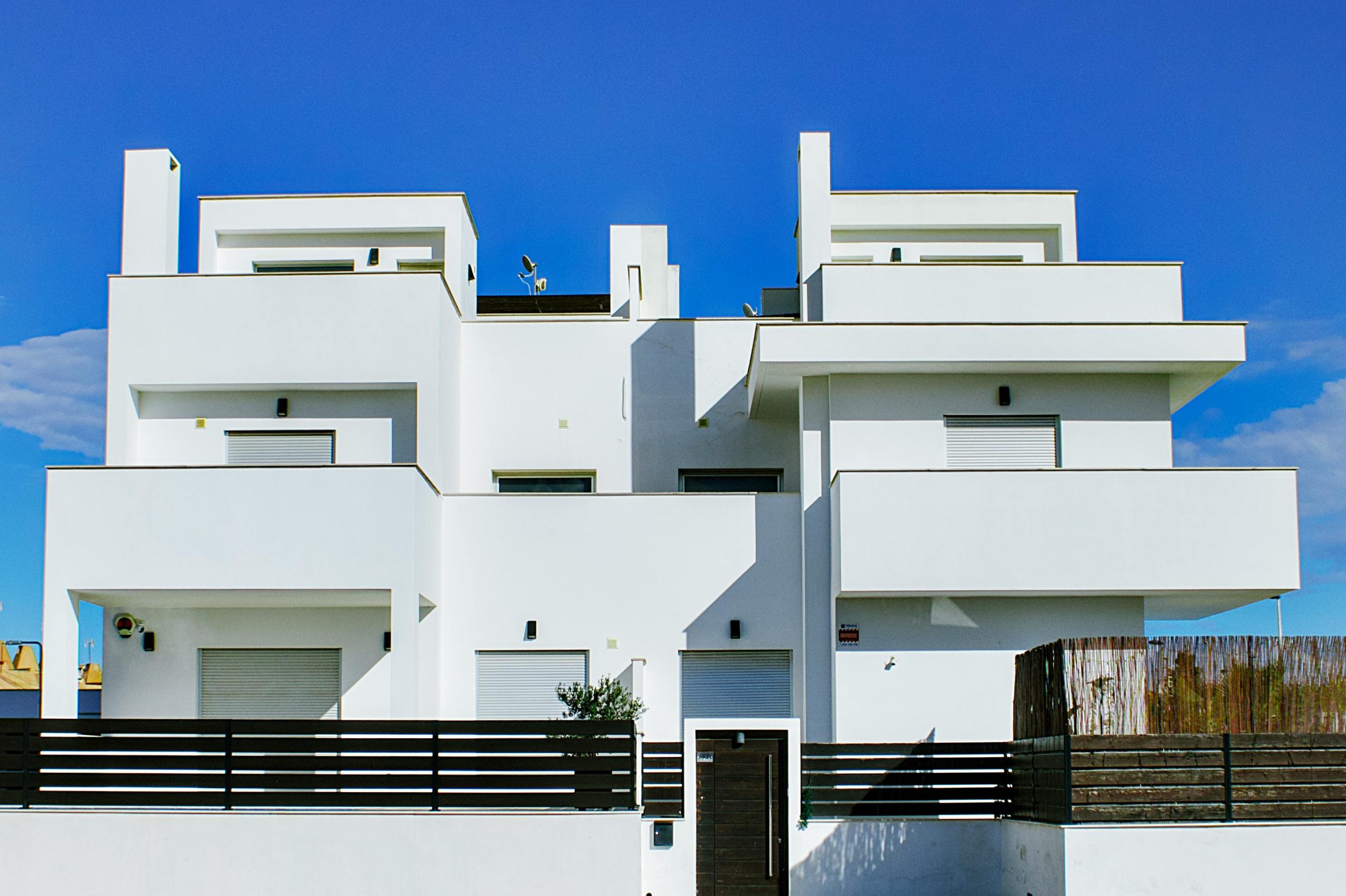
A duplex is a single building that contains two separate living units, usually side-by-side or stacked on top of each other. Each unit typically has its own entrance, kitchen, bathrooms, and living spaces. This layout is ideal for homeowners who want privacy for multiple households while keeping everyone under one roof.
Some common characteristics of duplexes include:
- Two distinct addresses or entrances
- Shared walls or floors, depending on layout
- Separate utilities or combined systems, depending on the design
- Flexibility for owners to live in one unit and rent out the other
Duplexes are different from apartments or condos in that the owner often has more control over the entire property, including both units, the exterior, and sometimes the yard or driveway.
Why Are Duplexes Popular Among Homebuyers?
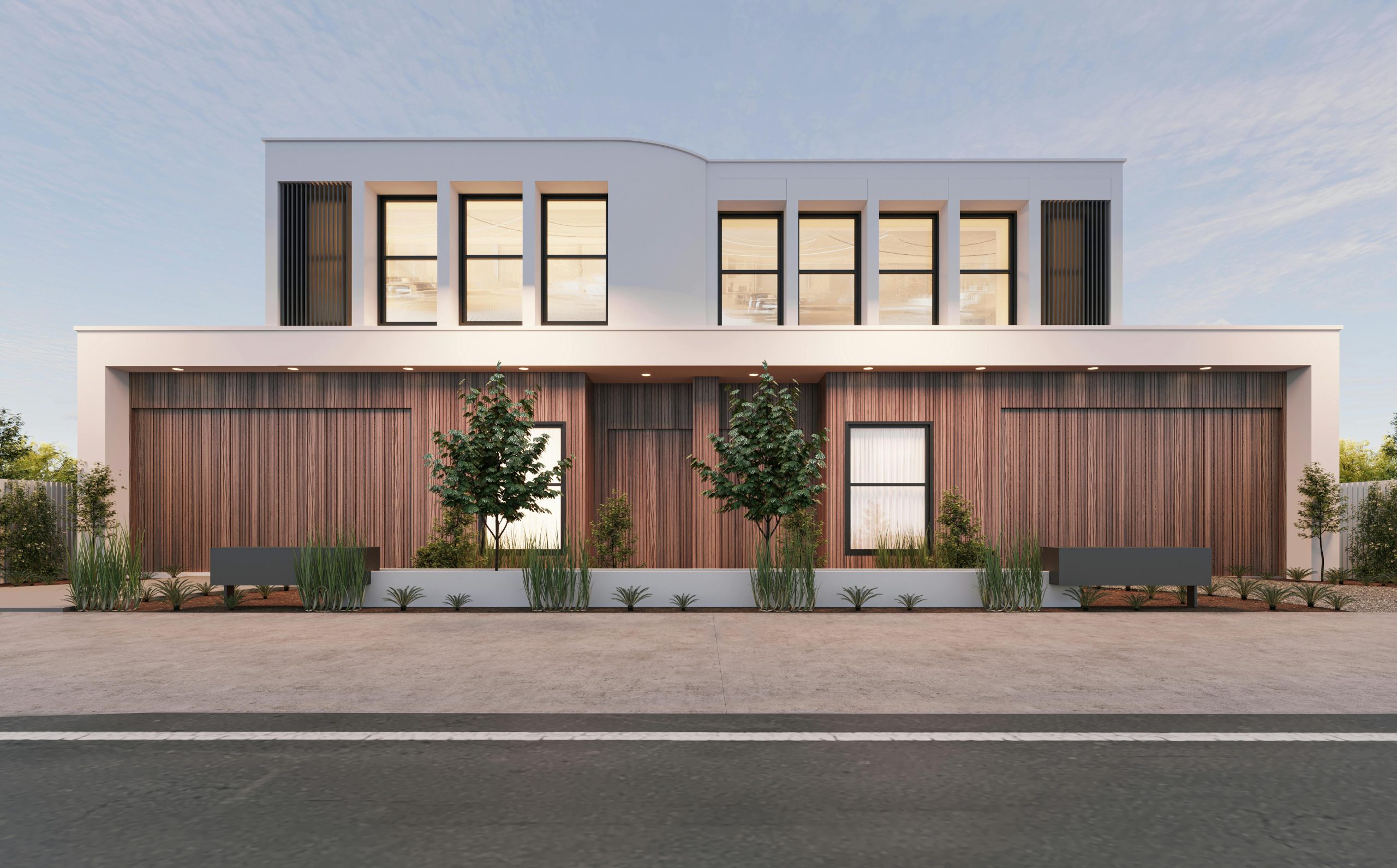
Duplexes appeal to a wide range of people for several reasons:
- Financial Flexibility: Renting out one unit can help offset mortgage payments or provide passive income.
- Multigenerational Living: Duplexes make it easier for extended families to live close together while maintaining some privacy.
- Investment Potential: They can be a good entry point for real estate investors looking for rental income.
- Adaptable Spaces: With the right renovations, duplexes can accommodate changing family needs or business purposes.
Because of these benefits, duplexes are often seen as a hybrid solution between a single-family home and a traditional rental property.
How Are Duplexes Laid Out?
Duplexes come in several configurations, and understanding the common layouts can help you choose the right one:
Side-by-Side
Side-by-side duplexes have each unit occupying half of the horizontal space, often featuring separate entrances that face the street. This layout is especially common in suburban neighborhoods and provides clear separation between the units while keeping them under one roof. It’s ideal for families or tenants who want their own private space but still value proximity.
Up-and-Down (Stacked)
Up-and-down, or stacked, duplexes place one unit on the ground floor and the other directly above. This configuration works well for narrow lots or urban areas where horizontal space is limited. While the units share structural elements like walls and floors, vertical separation can help maintain privacy for both households.
Split-Level or Unique Layouts
Some duplexes feature split-level or unconventional designs, such as interlocking units or creative floor plans. These layouts can offer added privacy and provide unique architectural features that make each unit feel distinct. They are often chosen by homeowners who want both functionality and character in their property.
Who Should Consider Buying a Duplex?
Duplexes aren’t for everyone, but they can be a perfect fit for certain situations:
- Families wanting multigenerational living: Parents, adult children, or grandparents can live close but still have independent spaces.
- First-time homebuyers seeking extra income: Renting one unit can help make mortgage payments more manageable.
- Investors: A duplex is a lower-risk way to enter the rental market because you’re investing in one property with two income streams.
- Future-proof homeowners: Duplexes can adapt to changing life circumstances, such as aging parents or expanding families.
Ultimately, a duplex works best for people who value flexibility, privacy, and potential income.
What Are the Benefits of Living in a Duplex?
Owning a duplex has several advantages that make it appealing for homeowners:
Privacy and Independence:
Each unit typically has its own entrance, kitchen, and living spaces, allowing multiple households to coexist comfortably. Families, roommates, or multigenerational households can enjoy their own space without the compromises of shared walls common in apartments.
Potential Income Stream:
One of the biggest financial perks of a duplex is the ability to rent out the second unit. This rental income can help offset mortgage payments, cover maintenance costs, or even provide extra profit. For first-time buyers or investors, it can make homeownership much more accessible.
Shared Maintenance Costs:
While duplexes are larger than a single-family home, certain expenses like exterior maintenance, roofing, or landscaping can be shared between the units. This reduces the individual financial burden and can make ongoing upkeep more manageable.
Space for Family Growth:
Duplexes provide flexibility for growing families. Whether you’re planning to have children, bring adult relatives into the household, or accommodate long-term guests, a duplex offers extra living space without the need to move.
Investment Appreciation:
Duplexes often hold their value well, similar to single-family homes, and can appreciate over time. This makes them a solid long-term investment for both personal use and rental income.
For homeowners considering this style, it’s easy to see why duplexes combine practical living with financial strategy.
What Are the Drawbacks of Duplexes?
While duplexes offer many benefits, there are some important considerations to keep in mind before purchasing.
Shared Walls or Floors:
Depending on the layout, noise from the neighboring unit can sometimes be an issue, particularly in older duplexes with less insulation. Families need to consider whether the level of separation will meet their privacy and comfort needs.
Property Management Responsibilities:
If you plan to rent out one of the units, you’ll take on landlord responsibilities. This includes tenant management, maintenance, and dealing with any disputes. Even if you don’t rent it out, managing a larger property can be more time-intensive than a standard single-family home.
Higher Initial Cost:
Duplexes can be more expensive upfront than comparable single-family homes, particularly in desirable areas. While rental income can offset some of these costs, buyers should ensure the investment aligns with their financial situation.
Zoning and Legal Limitations:
Not all areas allow duplexes or have specific regulations regarding rental properties. It’s important to check local zoning laws, building codes, and HOA rules before purchasing to avoid future complications.
Resale Complexity:
Selling a duplex can be slightly more complex than a traditional home. Buyers may be looking for both units, or they might only be interested in one, which can limit your pool of potential buyers.
Weighing these drawbacks against the benefits is essential. By understanding the challenges, buyers can make informed decisions and ensure a duplex meets both their lifestyle and financial goals.
How Much Does a Duplex Cost?
The cost of a duplex varies widely based on location, size, and condition:
Location Matters:
Urban duplexes in high-demand cities are generally more expensive than those in suburban or rural areas. Factors such as proximity to schools, public transportation, employment centers, and neighborhood amenities can significantly impact price. In contrast, suburban duplexes often provide more space for a lower cost, while rural properties may offer larger lots but fewer nearby services.
Condition and Age of the Property:
Older duplexes may come with lower purchase prices, but they can require substantial renovations or upgrades to bring them up to modern standards. Structural repairs, updated electrical and plumbing systems, or energy-efficient improvements can add considerably to your total investment. On the other hand, newer or recently renovated duplexes may cost more upfront but require less immediate maintenance.
Additional Costs to Consider:
Beyond the purchase price, it’s important to factor in property taxes, homeowners insurance, and utility costs for both units. Some duplexes have separate utility systems, while others share electricity, water, or HVAC systems, which can affect your monthly expenses. Maintenance and upkeep should also be part of your financial plan.
Rental Income Potential:
One of the key advantages of duplex ownership is the ability to generate rental income. If you plan to lease one unit, consider the potential income and how it can offset mortgage payments, taxes, or renovations. Be realistic about occupancy rates, rental demand, and local rental laws when calculating potential returns.
Financing Considerations:
Securing a mortgage for a duplex may differ from a single-family home. Lenders often evaluate rental income potential as part of your loan eligibility, and down payment requirements may vary. It’s important to work with a mortgage professional familiar with duplex financing to understand your options.
Understanding the financial landscape is essential to making an informed duplex purchase.
Can Duplexes Be Renovated Easily?
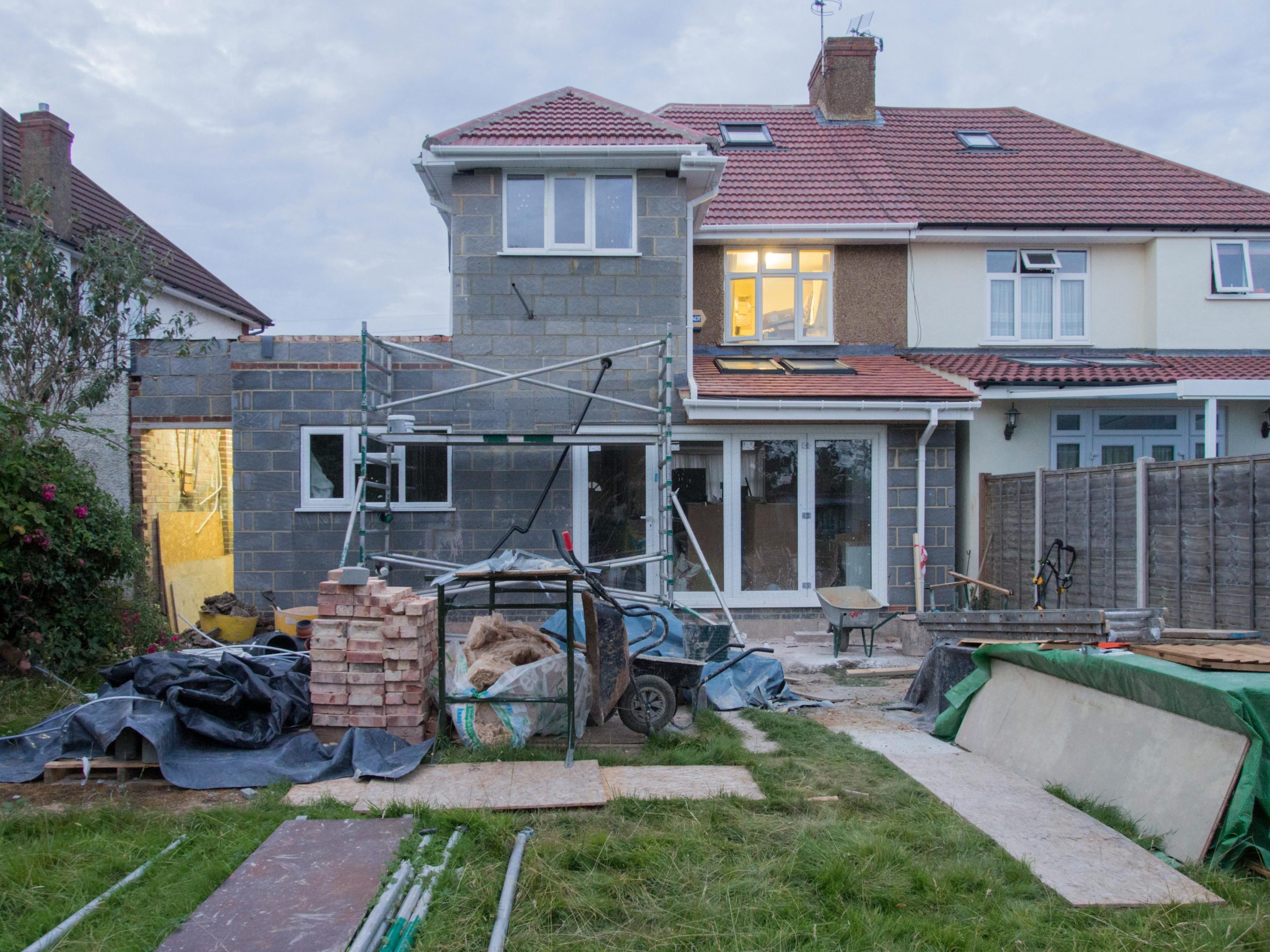
Yes. One of the appealing aspects of a duplex is that it’s highly adaptable. Homeowners can upgrade both units to suit modern living or personal taste.
- Finish basements or attics to add living space
- Update kitchens and bathrooms for modern amenities
- Improve curb appeal with landscaping or exterior renovations
- Add energy-efficient features like new windows or insulation
For larger families, you can make home upgrades for multigenerational living to ensure privacy, comfort, and accessibility for everyone without compromising on style.
How Can a Duplex Support Multigenerational Living?
A duplex naturally fits multigenerational families because it provides independent living quarters while keeping family members nearby. Some ideas include:
- Using one unit for grandparents or adult children
- Designating shared spaces, such as a backyard or common hallway
- Ensuring both units have fully functional kitchens and bathrooms
- Implementing soundproofing and privacy measures for bedrooms
This setup allows families to enjoy both togetherness and autonomy—a balance that’s often difficult to achieve in a single-family home.
What Are the Maintenance Considerations?
Owning a duplex means thinking about maintenance for both units, which can sometimes feel like managing two homes. Some key points:
- Regular inspections for plumbing, roofing, and HVAC
- Keeping shared areas clean and functional
- Planning for seasonal maintenance
Using simple strategies can help keep your home running smoothly all year, whether it’s a single unit or both units of a duplex. Planning ahead for repairs and upkeep ensures both tenants and homeowners enjoy a safe, comfortable environment.
What Are Some Smart Duplex Features to Look For?
When evaluating a duplex, certain features can make living or renting more convenient:
- Separate utilities (water, electricity, heating) for flexibility
- Private entrances and outdoor spaces for each unit
- Modern kitchens and bathrooms to attract tenants or suit family needs
- Adequate parking for both units
- Energy-efficient appliances and insulation for cost savings
These features make the duplex more attractive both as a personal residence and as a rental property.
How Do Duplexes Compare to Other Housing Options?
It’s helpful to see how duplexes stack up against single-family homes, townhouses, and apartments:
| Feature | Duplex | Single-Family | Townhouse | Apartment |
|---|---|---|---|---|
| Privacy | Moderate | High | Moderate | Low |
| Rental Income | Yes | Sometimes | Sometimes | Rare |
| Maintenance | Moderate | High | Moderate | Low |
| Cost | Moderate-High | High | Moderate | Low |
| Flexibility | High | Moderate | Moderate | Low |
Duplexes strike a balance between independence, flexibility, and income potential.
What Should You Consider Before Buying a Duplex?
Before committing to a duplex, evaluate:
- Neighborhood: Is it desirable for tenants or family living?
- Finances: Can you cover the mortgage if renting is delayed?
- Zoning and Regulations: Are there legal restrictions on duplexes or rentals?
- Lifestyle Needs: Will both units meet your family’s privacy and space requirements?
- Future Plans: Could one unit be repurposed or sold later if needed?
Asking these questions will help ensure your duplex fits your current and future needs.
How Can Duplexes Serve as Investment Properties?
Many buyers purchase duplexes with the idea of generating income. Here’s why they’re attractive investments:
- Dual income streams: One property yields two rental units.
- Lower risk: If one unit is vacant, the other may still generate income.
- Property appreciation: Duplexes often increase in value alongside single-family homes.
- Tax benefits: Mortgage interest and certain expenses can sometimes be deducted.
By balancing personal use and rental income, duplexes can provide financial flexibility.
Are There Financing Options for Duplexes?
Financing a duplex is generally similar to buying a single-family home but with some differences:
Conventional Loans:
Many buyers can use conventional mortgages to finance a duplex, especially if they plan to live in one of the units. These loans often offer competitive interest rates and flexible terms, but lenders will typically review your credit score, income, and debt-to-income ratio carefully.
FHA Loans:
For those who plan to occupy one unit, Federal Housing Administration (FHA) loans can be a useful option. FHA loans often allow a smaller down payment—sometimes as low as 3.5%—which can make duplex ownership more accessible to first-time buyers or those with limited savings.
Investment or Rental Property Loans:
If your plan is primarily to rent out both units, lenders may require a larger down payment and higher interest rates. These loans consider the property’s rental income potential as part of your qualification, and you’ll need to demonstrate your ability to manage the investment responsibly.
Commercial or Multi-Family Loans:
Larger duplexes, or properties with more than two units, may require commercial or multi-family financing. These loans typically have stricter requirements, including larger down payments and more detailed financial documentation, but they are specifically designed for income-producing properties.
Work with a lender experienced in duplex financing to understand your options and requirements.
How Do You Make a Duplex Feel Like Home?
Living in a duplex doesn’t mean sacrificing comfort or style. Here are some ideas:
Customize Each Unit:
Tailor the interiors to your taste with colors, flooring, lighting, and furnishings that reflect your personal style. Even small changes like wall paint or window treatments can make a big difference.
Enhance Outdoor Spaces:
Adding personal touches such as potted plants, seating areas, or decorative lighting can create inviting outdoor spaces. If each unit has its own porch, balcony, or backyard, consider ways to make these areas distinct and comfortable for the occupants.
Maximize Storage and Efficiency:
Duplexes often have slightly smaller spaces than a single-family home, so smart storage solutions are essential. Use built-in shelves, multipurpose furniture, and closet organizers to keep each unit functional and clutter-free.
Keep Shared Areas Organized:
If the duplex has shared spaces—like hallways, driveways, or laundry areas—establishing organization and clear rules helps maintain harmony between households. Simple measures, such as designated storage bins or a shared cleaning schedule, can go a long way in preventing conflicts.
These strategies help ensure that even if you’re sharing a building, each unit feels distinct and comfortable.
Duplex Living Tips: Making It Work for Everyone
Finally, some practical tips for a smooth duplex experience:
- Set clear rules if renting a unit to tenants
- Establish schedules for shared utilities or spaces
- Consider soundproofing or insulation upgrades for privacy
- Plan long-term for renovations or adaptations as family needs change
- Maintain good communication between households
With some thoughtful planning, duplexes can be both a smart investment and a comfortable home for multiple generations.
Final Thoughts
A duplex is more than just a building with two units—it’s a flexible housing solution that can adapt to a variety of lifestyles, whether you’re buying for personal use, multigenerational living, or rental income. By understanding layouts, maintenance needs, and financial considerations, you can determine if a duplex is right for you. With the right planning, upgrades, and strategies, a duplex can offer the perfect balance of privacy, flexibility, and value.