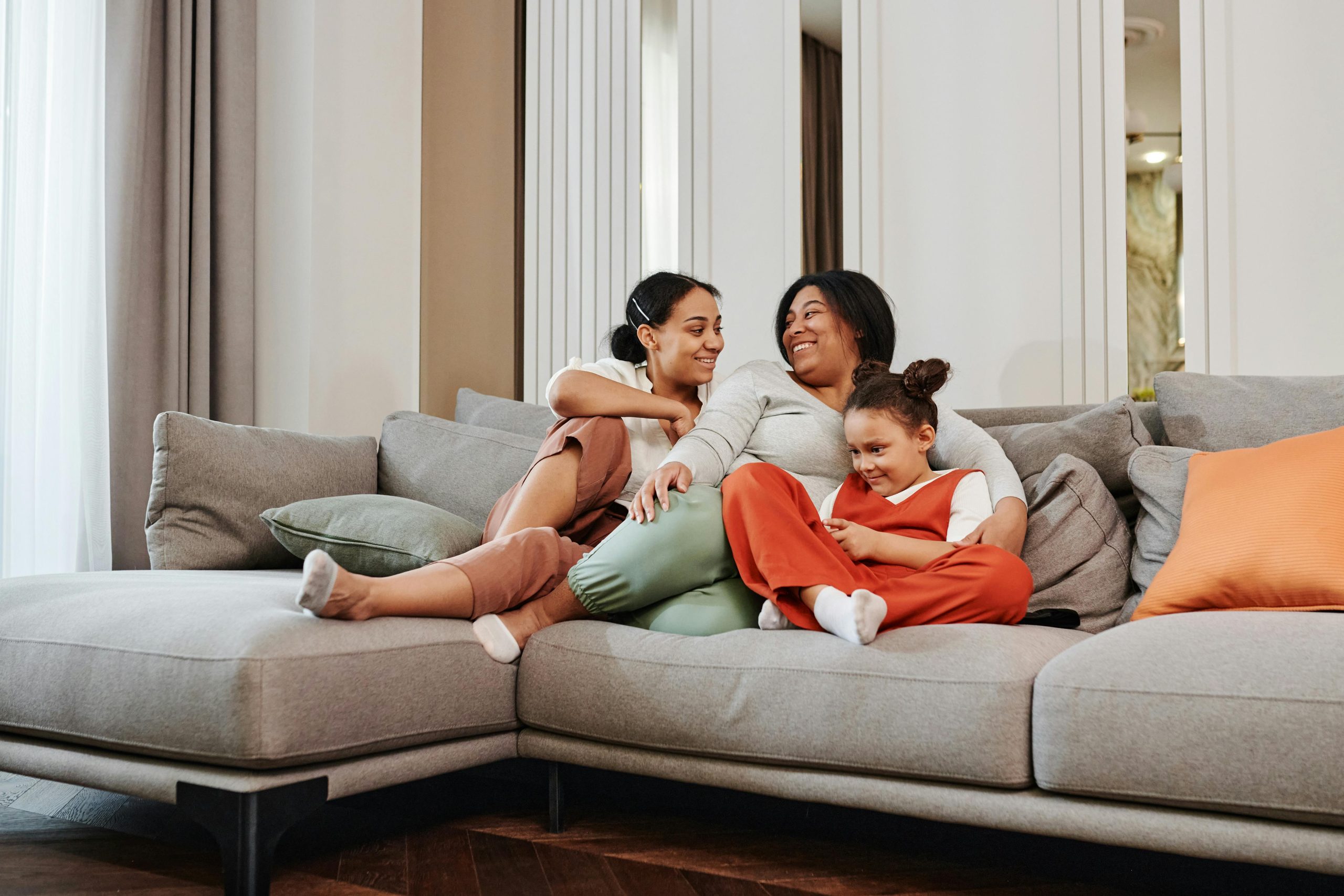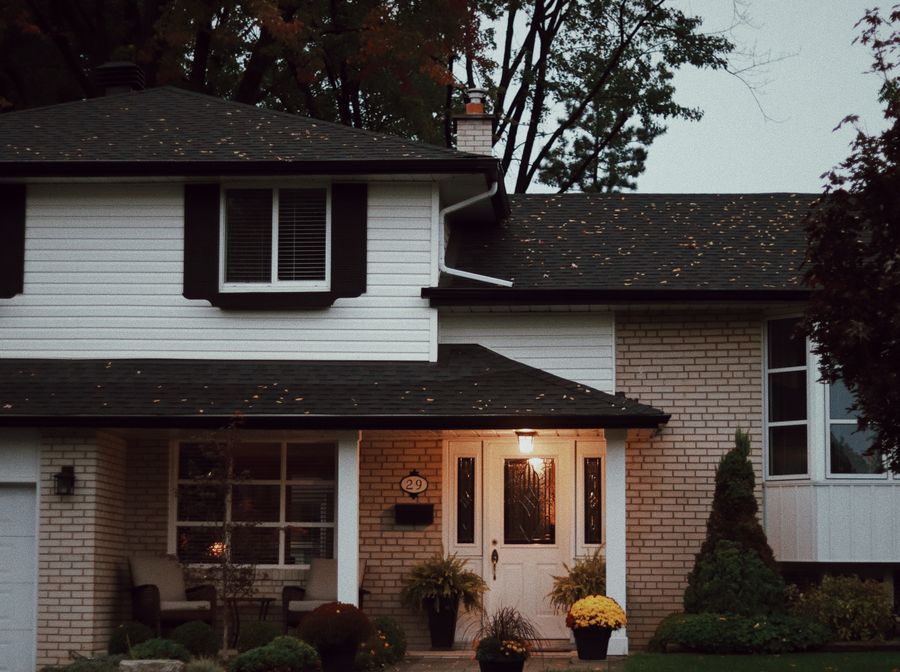
Every home tells a story the moment someone walks up the front path. Is it a place that feels guarded and closed off, or one that quietly says “come in, you’re safe here”? For most homeowners, the goal sits somewhere in the middle — a space that keeps the wrong people out without making the right people feel like they’re visiting a fortress.
That balance is harder to strike than it sounds. Security hardware has become more sophisticated, more visible, and in some cases more intimidating than ever. Floodlights, cameras, keypads, and reinforced doors can all do their jobs beautifully, but pile them on without thought and your home starts to feel like a compound rather than a sanctuary.
The good news is that research on burglary patterns, visitor psychology, and residential design gives us a clear framework for getting this right. You can build real protection into your property while still making guests, neighbors, and family members feel immediately at ease. Here’s how the evidence breaks down.
Why the Perception of Safety Matters as Much as Safety Itself
Security researchers draw a useful distinction between actual risk and perceived risk. A home can be statistically very safe and still feel unsettling if the owners rely on harsh visual cues — bars on windows, aggressive signage, glaring lights — to communicate that fact. The opposite is also true: a home can feel warm and relaxed while quietly being extremely well-protected.
This distinction matters because burglary rates in the United States have actually been falling for years. According to SafeHome.org, the national burglary rate fell to roughly 229 incidents per 100,000 residents in 2024, a drop of nearly 69 percent compared to 2005. The Council on Criminal Justice reports a similar trend, noting that the 2025 residential burglary rate sat about 51 percent below its 2018 peak. Risk is real, but it is not the emergency that aggressive marketing sometimes suggests.
That context frees homeowners to make calmer, smarter choices. Instead of reacting to fear, you can design for both protection and hospitality — layering in defenses where they genuinely help and skipping the ones that only serve to make everyone feel tense.
Start With the Front Door, Because Burglars Do
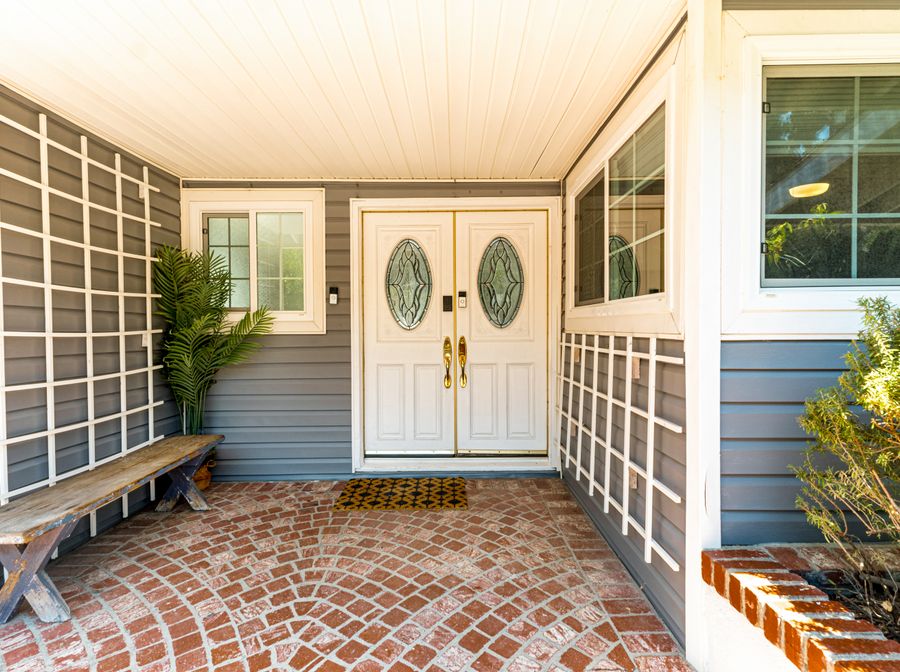
If there is one place where security and welcome collide most sharply, it is the front entrance. This is where guests form their first impression — and, unfortunately, where intruders most often try their luck. Data from Modern Home Protection shows that the front door is used in about 34 percent of break-in entries, making it the single most common point of forced access.
The smart response is not to turn your entryway into a bunker. It is to upgrade the parts that matter most while keeping the door itself inviting. A solid-core door, a reinforced strike plate, longer screws into the frame stud, and a quality deadbolt will defeat the vast majority of kick-in attempts. None of those upgrades are visible from the sidewalk.
- Replace hollow-core doors with solid wood or steel
- Install a strike plate reinforced with three-inch screws
- Add a wide-angle peephole or a discreet video doorbell
- Choose warm exterior lighting instead of harsh floodlights at the entry
- Keep landscaping trimmed so the door is visible from the street
How to Signal Welcome Without Lowering Your Guard
Small design choices do enormous work here. A clean porch, a readable house number, a seasonal wreath, and a bench or planter can all communicate care and presence — and presence is itself a deterrent. Burglars prefer homes that look unattended, so a lived-in entryway quietly performs double duty.
Use Visible Deterrents Sparingly and Strategically
There’s a persistent debate about whether to hide security equipment or display it openly. The honest answer is: a little visibility goes a long way, and more is not better. Research compiled by Security.org found that visible cameras and alarm systems deter roughly 53 percent of would-be burglars, while security yard signs alone deter about 25 percent. In other words, a single well-placed camera and a modest sign do most of the psychological work.
Plastering every eave with cameras and every window with warning stickers produces diminishing returns. It also changes how your home reads to everyone else — neighbors, delivery drivers, friends dropping by. A thoughtful homeowner who wants to know how to protect your home from burglars without turning the house into a billboard can rely on a small number of well-placed devices supported by good lighting and clear sightlines.
Think of visible security as seasoning rather than a main ingredient. One doorbell camera, one discreet sign, and tidy exterior lighting usually outperform a sprawling array of hardware, because the message reads as “this house is attentive” rather than “this house is afraid.”
Layer Your Defenses the Way Professionals Do
Security professionals talk about defense in depth: multiple light layers of protection that together are far stronger than any single barrier. The beauty of this approach is that each layer can be low-key on its own, which keeps the home feeling open while the overall system stays robust.
A layered setup usually combines physical hardening, electronic monitoring, and behavioral habits. None of those individually turns a home into a vault, but combined they close off nearly every opportunity a casual intruder would take. For a deeper walkthrough of how connected devices support this kind of setup, there are practical approaches to protecting a home with smart technology that fit neatly alongside traditional measures.
- Physical layer: reinforced doors, window locks, secured sliding doors
- Electronic layer: alarm system, cameras at key sightlines, smart locks
- Lighting layer: motion-triggered lights at side and rear approaches
- Behavioral layer: varied routines, mail pickup, trusted neighbors
- Landscape layer: trimmed bushes near windows, clear sightlines from the street
Because every layer carries part of the load, no single element has to be aggressive or obvious. That is what makes genuine security compatible with a relaxed, welcoming atmosphere.
Designing for Everyday Comfort and Well-Being
Security exists to serve the people inside the home, not the other way around. A system that makes residents anxious every time they come and go has failed at its actual job, even if it technically works. Thoughtful homeowners should weigh how each measure affects daily life — how it sounds, how it looks, how often it demands attention.
Consider the sensory impact. Alarms that chirp constantly, lights that blast through bedroom curtains at every passing cat, apps that send twenty notifications a day — these erode the quiet enjoyment of your own home. The best setups fade into the background during normal life and only make themselves known when something genuinely matters. That restraint is what protects your Comfort & Well-Being over the long term, not just your possessions.
Small Habits That Reinforce a Calm Home
Habits matter as much as hardware. Locking up at the same time each evening, doing a quick nightly check of ground-floor windows, and testing your alarm monthly take almost no effort but build real resilience. They also give you a quiet confidence that lets you host friends, leave on vacation, or simply enjoy a weekend morning without a running mental checklist.
##Routines become a kind of invisible infrastructure. Neighbors who know your schedule, a dog that barks at unfamiliar footsteps, a car parked in the driveway during the day — these quiet signals tell any observer that the home is engaged with the world around it. None of them require a single piece of hardware, and all of them make the house less appealing as a target.
Working With Neighbors Instead of Isolating From Them

One of the most underrated security assets is the person who lives thirty feet from your front door. Homes on blocks where neighbors know each other tend to experience fewer break-ins, and the reason is simple: unfamiliar faces get noticed, odd sounds get investigated, and packages do not sit on porches for hours. A walled-off home with no neighborly contact loses that entire layer of protection.
Building that kind of connection does not require block parties or formal watch programs, though those certainly help. It starts with small gestures — a wave, a shared phone number, a quick heads-up when you’ll be out of town. The payoff is a network of eyes that no camera system can match.
- Exchange contact information with at least two nearby neighbors
- Let someone know when you’ll be traveling for more than a day or two
- Offer to collect mail or move trash cans when others are away
- Mention anything unusual you notice, even if it seems minor
- Keep shared spaces like sidewalks and alleys tidy and well-lit
A welcoming home is easier to protect precisely because it is woven into its surroundings. Fences, gates, and hedges have their place, but when they cut you off entirely from the people next door, they subtract from your security as much as they add to it.
Hosting Without Compromising Your Setup
Having people over should feel effortless, not like running a security briefing. Smart locks with temporary guest codes make it easy to let a house sitter or a visiting relative come and go without handing out physical keys you later have to recover. Camera systems can be paused or set to privacy mode during gatherings so guests on the patio aren’t being recorded through dinner. These small courtesies preserve trust while keeping your systems intact for the times that actually matter.
Matching Security Choices to the Life You Actually Live
A single professional living alone in a city condo has different needs than a family of five in a suburban cul-de-sac or a retired couple in a rural farmhouse. Generic checklists tend to overshoot in some areas and underprotect in others. The most useful exercise any homeowner can do is sit down and map their real patterns — when the house is empty, who comes and goes, where the vulnerable points actually are — before buying a single device.
That audit often reveals that the obvious upgrades aren’t the ones that matter most. A household with teenagers may benefit more from a reliable smart lock than from another camera. A couple that travels frequently may get more value from automated lighting and a trusted neighbor than from a premium alarm subscription. A home with an attached garage may have an unlocked interior door that undoes every other precaution.
- List the times each week the house is empty
- Identify every exterior door and window, including basement and garage
- Note which entry points are hidden from street or neighbor view
- Consider who legitimately needs access and how often
- Match each identified gap to the lightest possible solution
This kind of tailored approach almost always produces a calmer, more welcoming home than a shopping spree would. You end up with fewer devices, lower ongoing costs, and a setup that reflects your actual life rather than a catalog’s idea of it.
Conclusion
A home that feels safe and a home that feels welcoming are not opposing goals. They are two expressions of the same underlying care — attention to the people who live there, the people who visit, and the quiet signals the house sends to everyone who passes by. The homes that achieve this balance tend to share a few traits: thoughtful hardware chosen for specific reasons, restrained visible deterrents, strong relationships with neighbors, and daily habits that make protection feel automatic rather than effortful.
The current data gives homeowners room to breathe. Burglary rates have fallen substantially over the past two decades, and the measures that work best are not the loudest or the most expensive. A reinforced front door, one well-placed camera, good lighting, and a neighbor who notices when something seems off will outperform a maximalist setup almost every time. That leaves budget, energy, and visual real estate for the things that make a house feel like a home — the porch bench, the warm bulb by the door, the clear path up the walk.
Security done well disappears into the background of daily life. It does its work quietly, lets you host without hesitation, and lets you sleep without listening for every sound. When you build toward that kind of balance, you end up with something better than a fortress: a home that protects what matters while still saying, to anyone standing at the gate, that they are welcome to come in.