In today’s fast-paced world, the demand for personalized healthcare has never been higher. Many families are turning to local home care services to ensure their loved ones receive the attention and support they need while staying in the comfort of their own homes. While medical expertise and efficiency are crucial, compassion remains the cornerstone of quality care.
By integrating empathy and understanding into every interaction, local home care providers can significantly improve the physical, emotional, and social well-being of their patients.
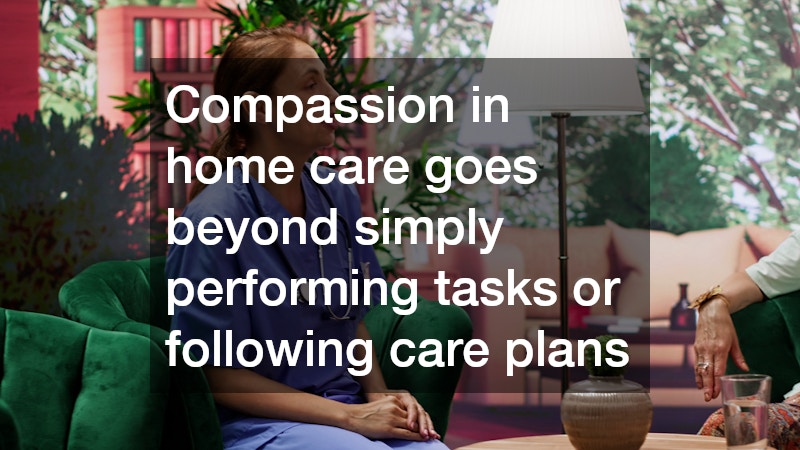
Compassion in home care goes beyond simply performing tasks or following care plans—it is about truly seeing the person behind the patient. Caregivers who approach their work with patience, kindness, and genuine concern create an environment where clients feel valued, heard, and respected. This emotional connection not only fosters trust but also encourages a sense of independence and dignity, allowing individuals to thrive in ways that purely clinical care cannot achieve. In essence, compassionate care transforms routine support into meaningful relationships that enrich both the caregiver and the person receiving care.
Enhancing Patient Well-Being
Compassion in local home care goes beyond completing routine medical tasks; it is about truly connecting with patients and understanding their individual needs. Caregivers who demonstrate empathy can notice subtle changes in a patient’s physical or emotional condition, address concerns promptly, and provide reassurance during stressful moments.
For example, a caregiver supporting an elderly patient with mobility challenges may observe signs of anxiety, fatigue, or depression. By offering emotional support alongside physical assistance, the caregiver fosters trust and a sense of security. Research shows that patients who feel understood and cared for are more likely to follow treatment plans, maintain independence, and experience improved overall quality of life. In local home care, these compassionate interactions can turn routine caregiving tasks into meaningful support that enhances both comfort and recovery.
Moreover, compassion contributes directly to measurable health outcomes. Patients receiving empathetic care often experience reduced stress, better sleep, improved pain management, and even lower blood pressure. Local home care providers who embrace a holistic, compassionate approach ensure that care addresses not only medical needs but also emotional, social, and mental well-being, creating a more complete and effective care experience.
Supporting Caregivers and Families Through Empathy
The benefits of compassion in local home care extend to caregivers and families as well. Providing care at home can be emotionally and physically demanding, especially when supporting patients with chronic illnesses or cognitive impairments. When caregivers operate within a culture that values empathy and understanding, they feel supported and recognized for their efforts, reducing stress and burnout.
Training programs that focus on emotional intelligence, active listening, and patient-centered communication equip caregivers to manage challenges more effectively. This improves job satisfaction and retention, creating a more stable and motivated workforce. Families also play a role in fostering compassionate care by maintaining open communication, expressing gratitude, and participating in caregiving plans. Together, caregivers and families create a nurturing environment where compassion becomes a shared value, reinforcing the quality of local home care.
Moreover, the ripple effects of compassion in home care extend to the patients themselves. When care is delivered with empathy and genuine concern, patients often experience reduced anxiety, improved mood, and a stronger sense of dignity and autonomy. Feeling understood and supported can enhance adherence to treatment plans and encourage more active participation in daily routines, which in turn can lead to better overall health outcomes. By prioritizing compassion, home care environments not only meet physical needs but also nurture emotional well-being, creating a holistic approach that benefits everyone involved.
Creating a Culture of Compassion in Local Home Care
Building a culture of compassion within local home care agencies requires deliberate effort. Leadership must emphasize empathy alongside technical skills, providing ongoing training, mentorship, and feedback to encourage caregivers to connect meaningfully with patients. Compassion should be recognized as an essential part of care, not just an optional quality.
This approach strengthens the relationships between patients, caregivers, and families, improving satisfaction and trust. When caregivers feel empowered to practice empathy and patients experience genuine understanding, local home care transforms from a simple service into a partnership rooted in dignity, respect, and human connection. Ultimately, compassion ensures that patients not only receive treatment but also feel valued, supported, and cared for in every interaction.
Compassion is the heart of effective local home care. It enhances patient well-being, supports caregivers, and fosters stronger relationships with families. While technical skills are necessary, empathy, understanding, and genuine human connection are what make care truly exceptional. Families seeking local home care should recognize that the quality of care is measured not just by medical outcomes but also by the compassion and respect patients experience every day. By prioritizing compassion, local home care agencies can create an environment where patients thrive, caregivers feel supported, and families have peace of mind knowing their loved ones are truly cared for.