- Regularly cleaning your washer prevents odors, mold, and soap scum buildup, keeping clothes fresh and machines efficient.
- Using common household items like vinegar and baking soda is natural, safe, and budget-friendly for deep cleaning.
- Step-by-step cleaning includes emptying the drum, wiping gaskets, adding vinegar, adding baking soda, scrubbing, and running rinse cycles.
- Front-load washers need extra attention to rubber seals, gaskets, and detergent drawers to prevent mold growth.
- Preventive maintenance—monthly vinegar cycles, occasional baking soda boosters, and proper drying—keeps the washer in top condition.
- Avoid common mistakes like overusing detergent, skipping manual scrubbing, using bleach too often, or leaving the door closed when damp.
- Signs your washer needs cleaning include musty smells, residue on clothes, slow draining, mold in seals, and frequent rinse cycles.
A clean washing machine means cleaner clothes and fewer odors. If your washer smells funky, leaves residue on your laundry, or just hasn’t been deep-cleaned in a while, it’s time to tackle the buildup. Using common household items like vinegar and baking soda is an effective, natural, and budget-friendly solution. In this guide, we’ll show you exactly how to clean washing machine with vinegar and baking soda, step by step.
Why You Should Clean Your Washing Machine Regularly
Many people think washing machines clean themselves, but the reality is that they accumulate soap scum, dirt, and mildew over time. Knowing how to clean a washing machine properly can prevent buildup and keep your laundry fresh. Here’s why regular cleaning matters:
- Prevent odors: Mold and bacteria can develop in damp areas, leaving your clothes smelling musty.
- Improve efficiency: Residue can reduce your washer’s ability to clean clothes effectively.
- Extend machine life: Regular maintenance keeps seals, hoses, and drum parts in better condition.
- Save money: Avoid costly repairs caused by buildup or mechanical issues from neglect.
Even if your clothes look clean, your washer may be hiding grime inside the drum, detergent drawer, and rubber seals.
What You’ll Need to Clean Your Washing Machine
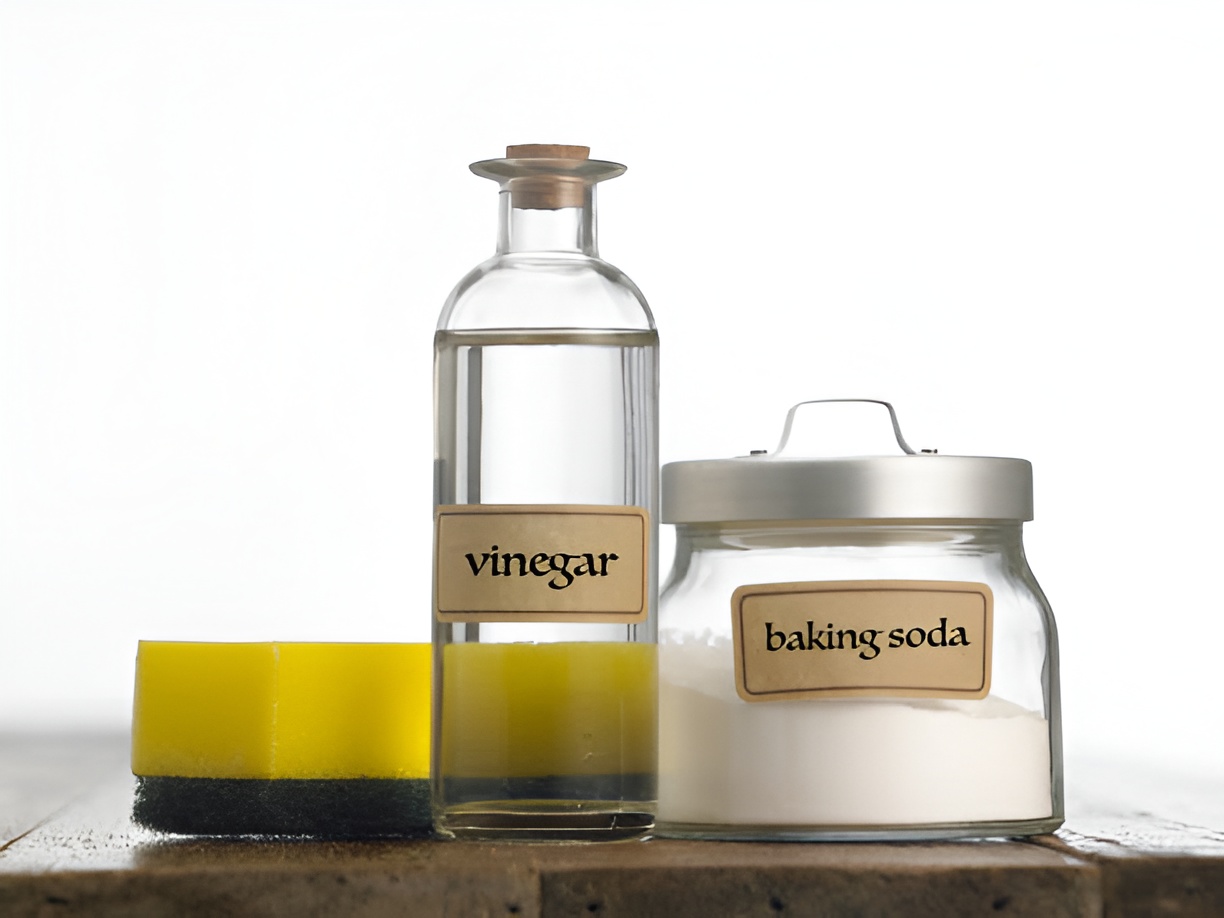
Before diving in, gather these simple ingredients and tools:
- 2 cups of white vinegar
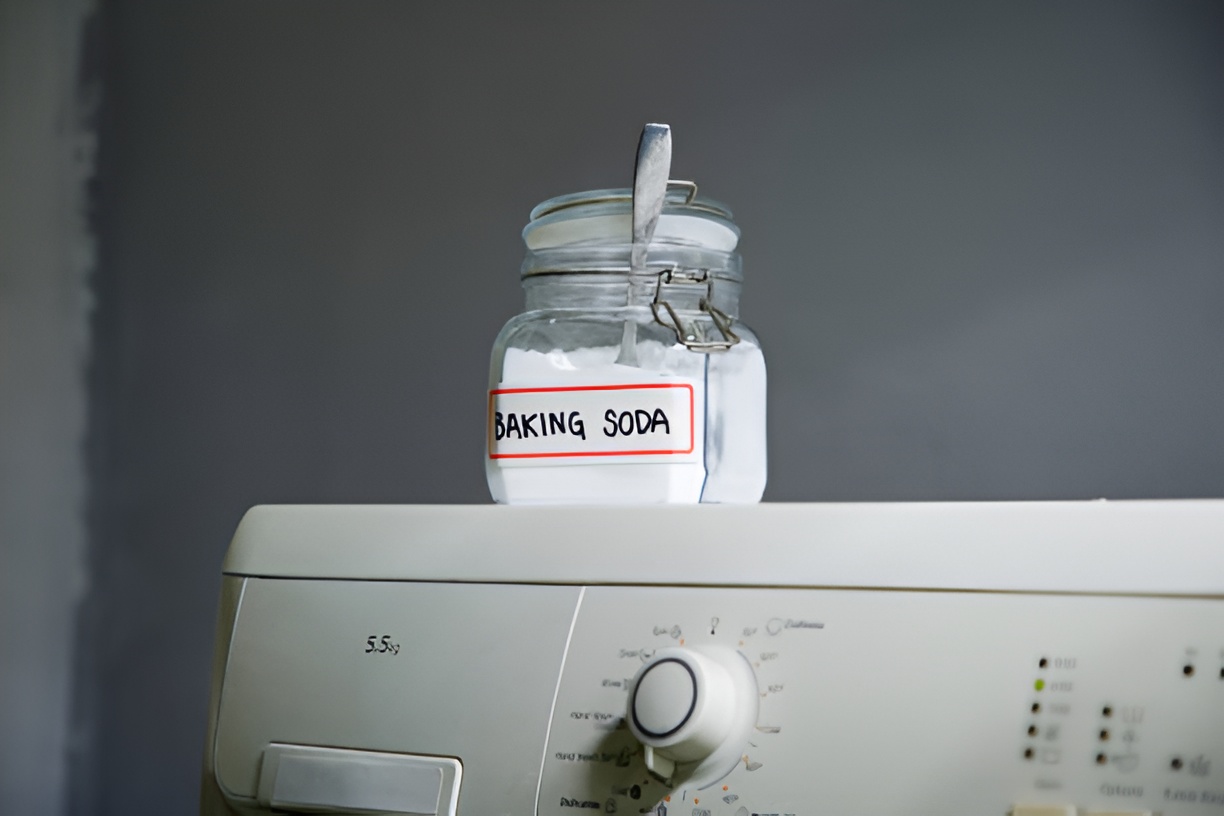
- 1/4 cup of baking soda
- A microfiber cloth or sponge
- A small brush or old toothbrush
- Gloves (optional, for sensitive skin)
Vinegar acts as a natural disinfectant, dissolving soap scum and mineral deposits. Baking soda helps neutralize odors and provides a gentle scrubbing action.
How Often Should You Clean Your Washing Machine?
Cleaning frequency depends on usage, but a good rule of thumb is:
- Front-load washers: Every 1–2 months
- Top-load washers: Every 2–3 months
- Heavy-use machines: Monthly, especially if you wash cloth diapers, sports gear, or heavily soiled clothes
Regular maintenance prevents the buildup of mold in the gasket and keeps your laundry fresh.
Step 1: Prepare Your Washer for Cleaning
Before adding vinegar and baking soda, follow these steps:
- Empty the washer: Remove all clothes and laundry items.
- Check the drum: Look for any visible debris, coins, or small items.
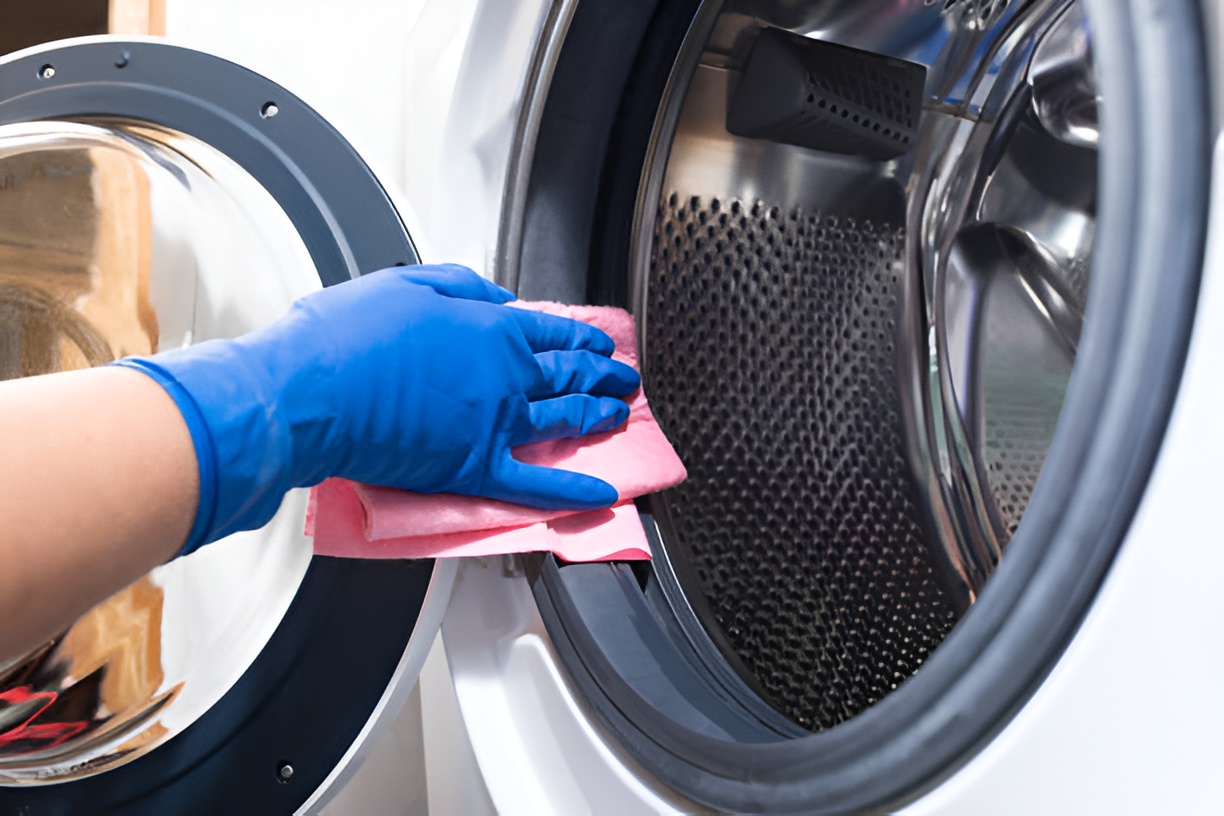
- Wipe the gasket and door seal: Use a damp cloth to remove loose dirt and lint.
Tip: Pull back the rubber gasket in front-load washers to check for trapped grime—it’s a common spot for mold growth.
Step 2: Add Vinegar
White vinegar is a natural disinfectant that breaks down soap scum and mineral buildup. Here’s how to use it:
- Pour 2 cups of white vinegar directly into the drum.
- For top-load washers, you can also add vinegar to the water as it fills.
- Run a hot water cycle without clothes to let the vinegar work its magic.
Hot water helps dissolve residue faster and kills bacteria that may be lingering inside.
Step 3: Add Baking Soda
Baking soda complements vinegar by neutralizing odors and gently scrubbing the interior:
- Measure 1/4 cup of baking soda.
- Sprinkle it directly into the drum.
- Run another hot water cycle, or combine with the vinegar in a single cycle for a deeper clean.
Tip: For tough buildup, mix baking soda with a little water to form a paste and scrub problem areas manually.
Step 4: Scrub the Drum and Seals
Even with a full cleaning cycle, some areas need manual attention:
- Rubber gaskets and door seals: These can harbor mold. Use a small brush dipped in a vinegar-water solution to scrub.
- Detergent drawer: Remove the drawer and soak it in hot water with vinegar for 10–15 minutes.
- Corners and crevices: Check for trapped dirt, hair, or detergent residue.
Regular scrubbing prevents stubborn buildup that cycles alone may not remove.
Step 5: Run a Rinse Cycle
After using vinegar and baking soda, run a final hot water rinse cycle:
- This removes any remaining residue and smell.
- For top-load washers, fill with hot water and let it agitate for a few minutes before draining.
- For front-load washers, run a rinse-only cycle.
This step ensures no cleaning ingredients remain in your washer to affect your next load of laundry.
How to Clean Your Washing Machine Naturally Without Harsh Chemicals
Using vinegar and baking soda avoids toxic chemicals, but here are a few additional tips:
- Lemon juice: Add a cup of lemon juice for extra disinfecting power and a fresh scent.
- Essential oils: A few drops of tea tree oil or lavender oil can boost antibacterial action.
- Avoid bleach regularly: Bleach can be harsh on seals and hoses if used too often.
Natural cleaning keeps your machine safe for both your laundry and your home environment.
How to Remove Mold and Mildew
Mold and mildew are common in front-load washers because of moisture trapped in the gasket. Here’s how to tackle them:
- Pull back the rubber seal and inspect for black spots.
- Apply a paste of baking soda and water, then scrub gently with an old toothbrush.
- Spray vinegar directly onto stubborn spots, let sit 10 minutes, then wipe clean.
- Always leave the door open after cleaning to allow the washer to air dry.
Prevent mold by keeping the door slightly ajar between washes.
How to Keep Your Washing Machine Smelling Fresh
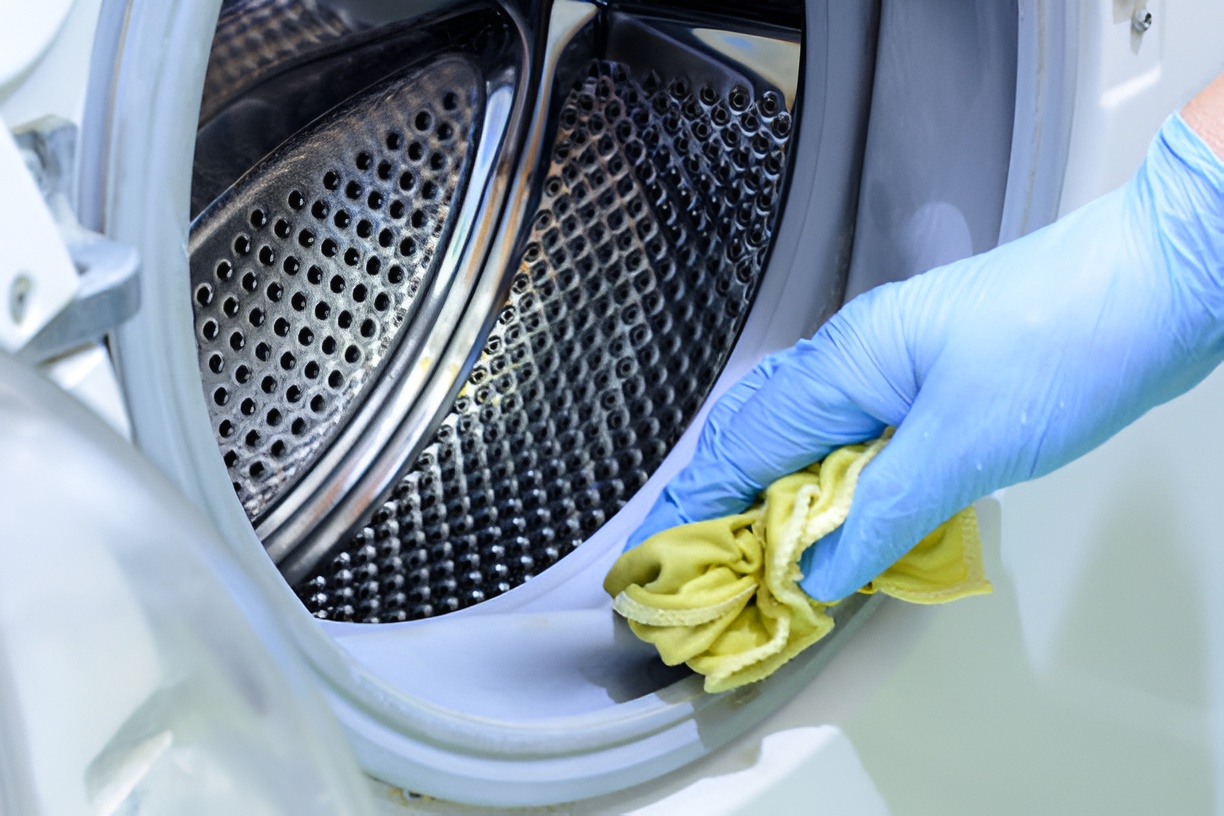
Even after a deep clean, maintaining freshness is easy with these habits:
- Leave the door open after each wash to prevent moisture buildup.
- Remove wet clothes promptly to avoid mildew.
- Wipe the drum and seals after each load.
- Use the right amount of detergent; excess soap contributes to residue.
A few minutes of maintenance between washes keeps your machine smelling clean all year.
Can You Clean Your Washer While It’s Full?
It’s generally best to clean your washing machine empty. Adding vinegar and baking soda with clothes can:
- Reduce cleaning effectiveness
- Cause skin irritation on clothes from concentrated cleaning agents
- Leave residues on laundry
Always run the cleaning cycle alone for the best results.
Quick Tips for Front-Load vs. Top-Load Washers
While the basic process is similar, there are some differences:
Front-load washers:
- Check and clean the rubber gasket carefully.
- Run a high-heat cycle to kill bacteria.
- Avoid overfilling to prevent water pooling.
Top-load washers:
- Pour vinegar and baking soda into the water as it fills.
- Use a long brush to reach the bottom corners.
- Regularly clean the agitator to remove trapped residue.
Knowing the type of washer you have ensures you get a complete clean.
How to Prevent Future Buildup
Once your washer is sparkling clean, keep it that way:
- Monthly vinegar cycle: Run a hot cycle with 2 cups of vinegar once a month.
- Baking soda booster: Add a small amount of baking soda every few washes to neutralize odors.
- Clean detergent drawer and filters: Every few weeks to prevent residue accumulation.
- Inspect hoses and seals: Replace any worn-out parts to prevent leaks and mold.
Preventive maintenance is easier than deep cleaning.
Common Mistakes to Avoid When Cleaning Your Washer
Even natural cleaning can go wrong. Avoid these errors:
- Using too much detergent, which creates buildup
- Skipping the manual scrubbing of seals and gaskets
- Using bleach too frequently, damaging seals
- Forgetting to run a final rinse cycle
- Keeping the washer door closed when it’s damp
Being aware of these mistakes helps your cleaning routine last longer.
Signs Your Washing Machine Needs Cleaning
You don’t have to wait for a full-blown odor to start cleaning. Look out for these signs:
- Musty or sour smell from the drum
- Residue on clothes after washing
- Mold in rubber seals or detergent drawer
- Slow draining or leftover water
- Frequent need for extra rinse cycles
Catching these early can prevent bigger problems.
FAQs About Cleaning Your Washing Machine
Q: Can I mix vinegar and baking soda in the same cycle?
A: Yes. While they react when combined, the reaction is safe and helps remove buildup. You can add both to the drum and run a hot cycle.
Q: Is this safe for all washer types?
A: Yes, but front-load washers require more attention to seals and rubber gaskets.
Q: Can I add essential oils for scent?
A: Absolutely. A few drops of lavender or tea tree oil can make the machine smell fresh and boost antibacterial properties.
Q: How often should I clean my washer?
A: Once every 1–3 months, depending on usage and load types. Heavy use or washing items like sports gear may require monthly cleaning.
Final Thoughts
Regular cleaning of your washing machine is simple, cost-effective, and highly beneficial. By following this guide on how to clean washing machine with vinegar and baking soda, you can remove odors, prevent mold, and keep your clothes looking their best. With just a few household ingredients, a little scrubbing, and some preventive habits, your washing machine can stay fresh and fully functional for years.
Remember, consistency is key—monthly maintenance beats a massive cleaning project after months of neglect.