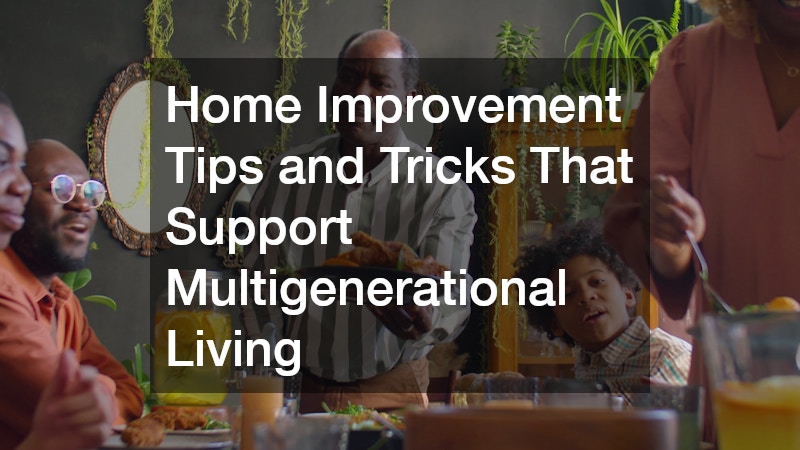
As families evolve, more households are embracing multigenerational living—where two or more adult generations share a home. This setup can bring incredible emotional and financial support, but it also requires thoughtful planning to balance comfort, privacy, and shared spaces. Whether you’re adjusting your current home or designing a new one, there are practical ways to make multigenerational living smooth and enjoyable for everyone.
Living with multiple generations comes with unique challenges, from ensuring privacy to managing shared spaces. The goal is simple: create areas that encourage connection while also giving everyone their own space to relax and recharge. With a few strategic updates, families can enjoy the benefits of multigenerational living without compromising comfort or harmony.
In this guide, we’ll explore a variety of tips—from smart furniture choices and kitchen remodels to outdoor upgrades—that can make your home feel welcoming for all ages. Even small changes, like selecting bedding that’s gentle on sensitive skin or choosing versatile furniture, can make a big difference. Bigger projects, such as adding an extension or installing a custom swimming pool, can transform your space and enhance family life for years to come.
We’ll also cover outdoor spaces, safety, and home comfort, showing how thoughtful planning can turn your house into a home that works for toddlers, teens, adults, and seniors alike. By making intentional design choices, you can create a home where every generation feels valued, comfortable, and at ease.
Designing Spaces That Work for Everyone
The first step in creating a multigenerational home is thinking about how each space will be used. Consider who will spend the most time in each room and what their needs are. Shared spaces—like the living room, kitchen, and dining area—should encourage connection and easy interaction. Meanwhile, bedrooms, bathrooms, and personal nooks should offer privacy and quiet for moments of rest or focus.
Flexible spaces are a huge advantage in multigenerational living. Rooms that can serve multiple purposes—such as a home office that doubles as a guest bedroom or a playroom that can later be a study—help your home adapt as family needs change over time. Even small updates, like installing sliding doors or adjustable shelving, can create a big impact in balancing openness with privacy.
Lighting, acoustics, and storage are also key factors. Well-lit areas feel inviting, while thoughtful use of rugs, curtains, and partitions can help reduce noise and define spaces. Clever storage solutions keep shared areas organized and reduce tension over clutter. By planning spaces that work for all ages, you set the foundation for a home that is functional, comfortable, and welcoming for everyone.
Building a Custom Swimming Pool
A swimming pool can serve as a focal point for family gatherings and leisurely afternoons. Hiring a local pool company can streamline the installation process by ensuring that every aspect of the project, from design to construction, meets local regulations and personal preferences. A professional team can also provide expert advice on the best pool features for families.

When designing a custom swimming pool, consider the needs of all family members. Gentle slopes and designated shallow areas are ideal for younger children, while adults might appreciate deeper sections for swimming exercises. Incorporating sensory features like fountains or waterfalls can offer therapeutic benefits, a thoughtful touch for older members of the family.
Regular maintenance is essential to keep the pool clean and safe. A local pool company can offer customized maintenance packages, covering tasks such as chemical balancing and filter cleaning. With their support, you can ensure your pool remains in perfect condition, offering endless hours of enjoyment for your family.
Investing in Practical Furniture
Choosing the right furniture is crucial in a multigenerational home. Futons, for instance, provide a flexible solution that can cater to various needs, such as accommodating guests or creating cozy lounging areas. Their adaptability allows spaces to transition from a sleeping area at night to a communal environment during the day.
To suit all family members, consider furniture pieces that are both practical and versatile. For shared living areas, opt for sturdy materials that can withstand daily wear and tear. Intelligent design solutions, such as extendable tables and stackable chairs, can maximize space while providing functionality.
Customizable furniture allows personal expression while meeting specific needs. Whether it’s a recliner designed for seniors or a kid-friendly couch, selecting pieces that offer comfort and convenience will foster a more harmonious living atmosphere where everyone’s preferences are acknowledged.
Choosing Sensible Bedding

Quality of sleep directly impacts overall well-being, making the choice of bedding critical in multigenerational households. Sheets for sensitive skin are a must-have for those with allergies or dermatological conditions, ensuring everyone in the family achieves a restful night’s sleep without irritation.
Natural fabrics like cotton and bamboo not only provide a soft and cool sleeping surface but are also hypoallergenic options that reduce exposure to potential allergens. These materials are perfect for children and seniors who may have more sensitive skin or specific health concerns.
In addition to selecting the appropriate materials, consider bedding that offers easy maintenance. Machine-washable sheets and bed covers with durable stitching can withstand frequent cleaning, ensuring a fresh and hygienic sleeping environment, an essential component of family health.
Remodeling Your Kitchen
The kitchen is often the heart of the home, a space where family members gather to cook, eat, and enjoy each other’s company. Engaging with a local cabinet company can help you design a layout that maximizes storage and efficiency. Tailoring cabinet height and design ensures accessibility for everyone, from children to seniors.
When remodeling, consider the flow of the kitchen and how it accommodates multiple users. An open layout with sufficient counter space can facilitate simultaneous meal preparation, while smart appliances designed for energy efficiency and safety provide peace of mind.
Incorporating ergonomic enhancements, such as pull-out shelves and easy-to-reach drawers, makes the kitchen more accessible to all generations. A well-designed kitchen fosters a communal atmosphere where family members can enjoy meaningful interactions and create memories.
Adding an Addition Onto Your Home
As family dynamics change, additional space may be necessary to ensure comfort and privacy. Collaborating with a local custom home builder can turn your vision into reality, creating a personalized space that serves your family’s specific needs. Whether it’s an extra bedroom or a separate living area, thoughtful design enhances functionality.
When planning an extension, consider how the space will connect with the existing structure. Seamless integration is key to maintaining a cohesive aesthetic and ensuring the new area complements the spatial dynamics of the home. Consult with your builder to address factors such as natural light, ventilation, and insulation.
Local building regulations and permits play vital roles in the construction process. A professional builder is familiar with these requirements, ensuring your project adheres to standards. This expertise avoids unnecessary delays and guarantees a quality finish, enhancing your home’s value and your family’s living experience.
Installing a Patio
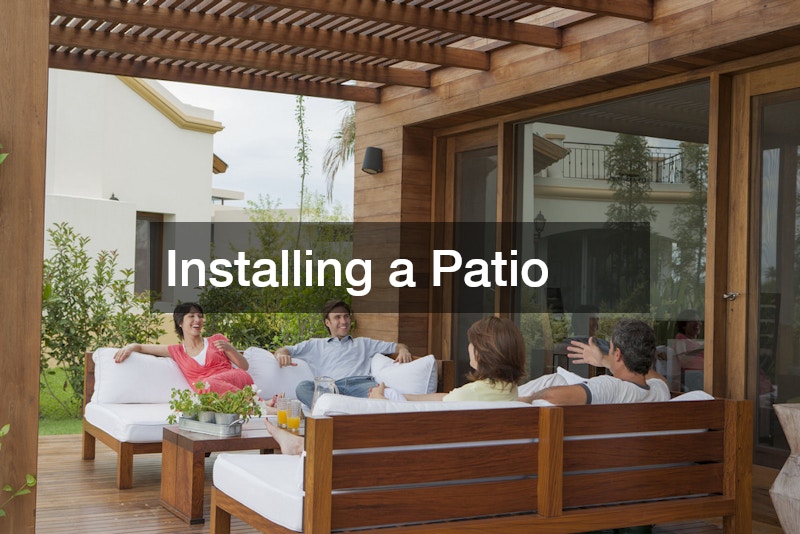
Outdoor living spaces offer considerable benefits for multigenerational homes, acting as extensions of indoor environments. Hiring concrete patio contractors can transform your outdoor area into a functional, attractive space for relaxation and entertainment. A well-designed patio can cater to various activities from family gatherings to quiet retreats.
Durability is a key consideration when installing a patio. Concrete offers impressive longevity and can withstand varied weather conditions. It can also be finished in several styles, from polished modern looks to rustic stone textures, complementing the architectural style of your home.
Incorporating features such as seating areas, fire pits, or outdoor kitchens can further enhance the usability of the space. These additions enable your patio to serve multiple purposes, accommodating the diverse needs of a multigenerational household and creating a vibrant, social outdoor environment.
Creating a Family-Friendly Backyard
The backyard is another vital area of the home that can foster family unity and offer recreational opportunities. Utilizing the expertise of landscaping contractors can help you design a multifunctional space that caters to all family members, from play areas for children to serene garden spots for relaxation.
A well-planned backyard can include features like swings, sandboxes, or climbing frames for kids, while gardens or shaded seating areas provide spots for relaxation or quiet contemplation. Tailoring the space to suit all ages makes it more inclusive and inviting.
Additionally, consider sustainable landscaping practices that support local ecosystems. Native plants require less maintenance and adapt well to local climates, reducing water consumption and promoting biodiversity, an important consideration for environmentally conscious families.
Installing Outdoor Lighting
Effective outdoor lighting is essential for enhancing safety and security in multigenerational homes. Engaging with outdoor lighting companies can ensure you achieve a balance between aesthetics and functionality, illuminating pathways, entrances, and key areas around your property.
Incorporating various lighting types, such as pathway lights, wall-mounted fixtures, and spotlights, creates a layered effect that adds depth to your outdoor spaces. Lighting can also highlight architectural features or garden landscapes, adding to the overall ambiance.
Safety is paramount, and well-lit exteriors can deter potential intruders. By illuminating entrance points and dimly lit areas, you increase visibility around your home. Solar-powered or energy-efficient LED lights can reduce energy consumption while ensuring your property remains well-lit throughout the evening.
Investing in a Home Security System
The peace of mind that comes from a secure home is invaluable, especially in a multigenerational setting. Installing residential security cameras can reinforce the safety of your property, offering real-time surveillance and the ability to monitor activities around your home.
Modern security systems come with features such as motion detection, night vision, and remote access through smartphones. These capabilities allow you to keep an eye on your home, even when you’re away, ensuring that the entire family feels protected.
In addition to surveillance cameras, integrating alarm systems and smart locks enhances security, deterring potential threats and providing an additional layer of protection. A comprehensive security system reassures family members, fostering a sense of safety and well-being.
Maintaining Your HVAC System

To maintain a comfortable living environment, regular HVAC service is crucial. Proper maintenance extends the lifespan of your HVAC system, ensuring it operates efficiently and reducing the risk of unexpected breakdowns. Consistent servicing also improves air quality, a significant consideration in a populated household.
Schedule routine check-ups with a professional to identify and address potential issues before they become serious problems. This proactive approach not only preserves your system’s longevity but also maintains optimal performance, crucial in a home with varying temperature preferences.
Energy efficiency is another important aspect of HVAC systems. Regular servicing ensures that your system is running as efficiently as possible, reducing energy costs and minimizing your environmental impact, a key consideration in homes aiming for sustainability and cost-effectiveness.
Enhancing Accessibility and Mobility
Ensuring that your home is safe and comfortable for all ages often means incorporating accessibility features that support mobility. Simple changes, like installing grab bars in bathrooms, non-slip flooring in high-traffic areas, and handrails along stairways, can prevent accidents and improve independence for seniors and young children alike.
Consider widening doorways or adding ramps to make rooms and entrances more accessible. Adjustable countertops and pull-out shelves in the kitchen, along with lever-style door handles, make daily tasks easier for family members with limited strength or mobility.
Lighting and clear pathways are also critical. Motion-sensor lights in hallways and staircases help prevent trips, while removing obstacles and clutter keeps spaces safe and navigable.
For long-term planning, consult with local accessibility or home modification experts who can provide solutions tailored to your home layout. By thoughtfully integrating these features, your multigenerational home becomes safer, more functional, and welcoming for family members of every age and ability.
Final Thoughts
Ultimately, every decision in home improvement should aim towards creating a living space that supports and celebrates the complexity and richness of multigenerational living. By integrating both modern conveniences and timeless design principles, you can create a nurturing, adaptable home environment.
Through these home improvement tips and tricks, multigenerational families can find practical solutions that support their unique living arrangements. The path to designing a family-friendly home is ongoing, inviting creativity and meticulous planning to offer spaces that everyone can cherish and enjoy.
Reflecting on these guidelines not only improves your living spaces but enriches the home dynamics, encapsulating the essence of multigenerational living. With a clear plan and the right partnerships, you can create a family home that reflects unity, diversity, and love.
As you embark on this journey, remember that each improvement is a step towards enhancing daily life for everyone residing under your roof. Here’s to creating homes that honor family bonds and celebrate shared living experiences.