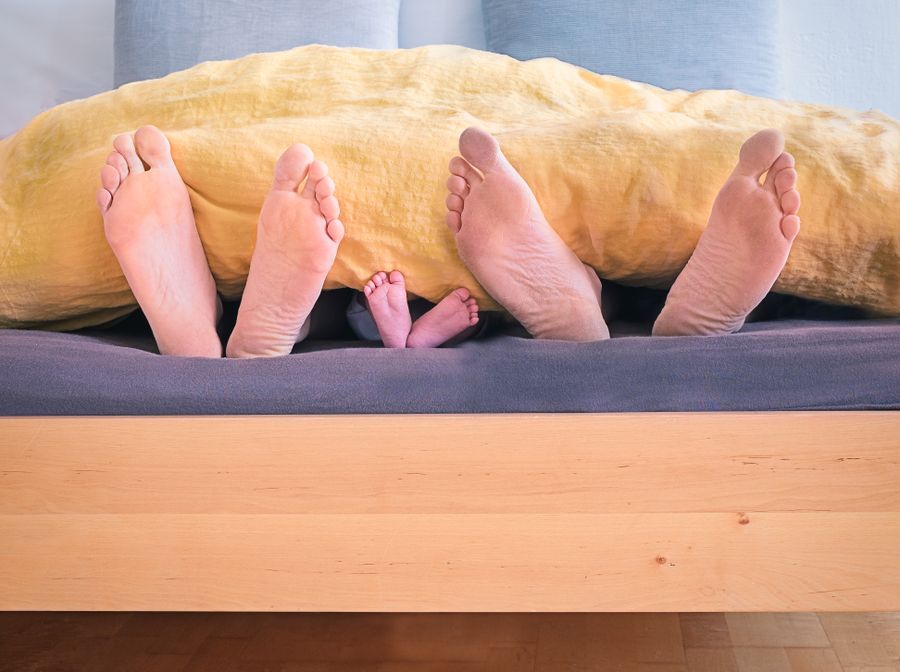
Picture this: it is 2 a.m., and instead of drifting through a deep sleep cycle, you are staring at the ceiling, wondering if you locked the back door. Your partner is restless. The kids woke up twice. By morning, everyone is cranky, breakfast feels like a battlefield, and the whole day tilts off its axis before it even starts.
Sleep and family wellness are tangled together in ways most of us underestimate. When one person in the house sleeps badly, the ripple effect reaches everyone. And when the mind is weighed down by worry, especially about safety, finances, or the kids, real rest becomes almost impossible.
The good news is that calm is something you can build, step by step, with practical habits and small environmental tweaks. This walkthrough will show you exactly how to create the kind of mental quiet that leads to better sleep, calmer mornings, and a healthier household overall.
Why Mental Calm Is the Foundation of Deep Sleep
Your brain cannot shut down properly when it is still scanning for threats. That is not a weakness or a bad habit. It is biology. The nervous system is designed to stay alert until it believes the environment is safe, which is why stressed people often fall asleep late and wake up often.
Research backs this up clearly. According to the National Center for Biotechnology Information, lower sleep quality was linked with increased depression, anxiety, and stress. The relationship runs in both directions: poor sleep worsens mental health, and mental tension sabotages sleep. Break the loop in one place and the whole cycle starts to heal.
Start by auditing what keeps your mind racing at night. Grab a notebook and spend three evenings writing down every worry that surfaces between 9 p.m. and midnight. You will likely notice patterns: unfinished work, household safety, a child’s behavior, money. Naming the worries is the first practical step toward quieting them.
Step One: Build a Pre-Sleep Wind-Down Ritual
A wind-down routine is not a luxury. It is a signal to your body that the day is closing. Without it, your brain stays in problem-solving mode long after the lights go out. A ritual does not have to be elaborate, but it does need to be consistent.
Here is a simple 45-minute framework you can start tonight:
- Minutes 1 to 10: Tidy the main living space and prep tomorrow’s essentials, including bags, keys, and clothes.
- Minutes 11 to 20: Do a security walk-through, checking doors, windows, and exterior lights.
- Minutes 21 to 30: Dim the lights and switch to a non-screen activity, such as reading or stretching.
- Minutes 31 to 40: Shower or wash your face with warm water to drop your core temperature.
- Minutes 41 to 45: Sit in bed and do slow breathing, four seconds in and six seconds out.
Doing this at roughly the same time each night trains your body to expect sleep. Within two weeks, most people notice they fall asleep faster and wake up less often during the night.
How to Help Kids Adopt Their Own Wind-Down
Children mirror adult energy. If you are hurried and tense at bedtime, they will be too. Set their routine to start fifteen minutes before yours so you can be fully present during their transition. Keep it predictable: bath, pajamas, two books, lights out. Avoid screens for at least an hour before bed, and skip sugary snacks after dinner. When kids sleep better, parents sleep better, and the whole house benefits.
Step Two: Remove the Hidden Safety Worries That Keep You Awake
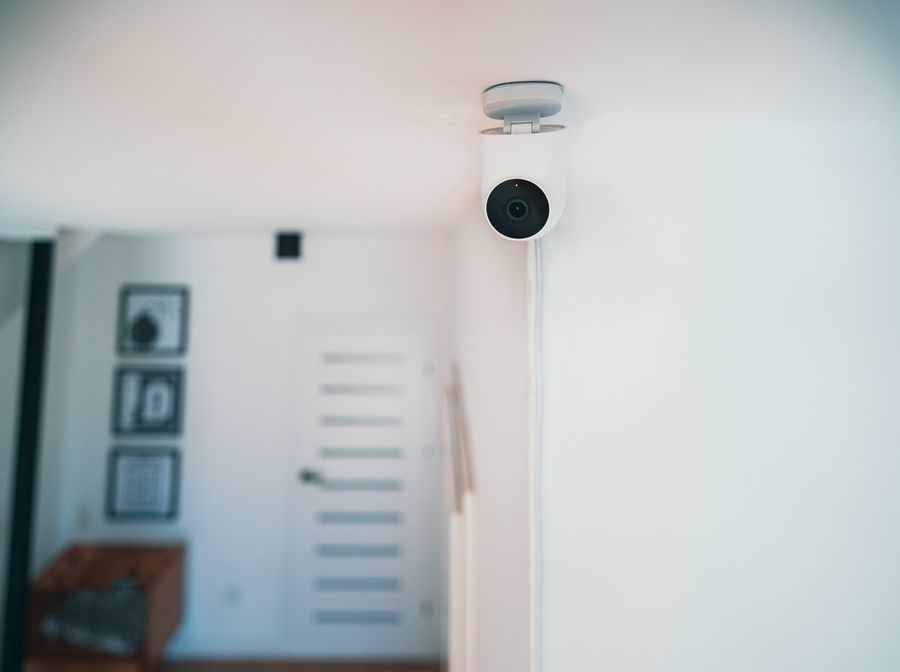
Mental calm requires feeling physically safe. If some part of your brain is still wondering whether the front door is locked or whether a stranger could get in, deep sleep will stay out of reach. This is where proactive home security pays off, not just in protection but in psychological relief.
According to SafeHome.org, most convicted burglars said they would avoid homes with visible security systems, which tells you how much visible deterrence matters. Simple upgrades can transform how safe your home feels at night. If you are not sure where to start, learning how to protect your home from burglars with smart tools is one of the fastest ways to trade nighttime anxiety for genuine rest.
A quick practical checklist to run through this weekend:
- Install motion-activated exterior lights near every entry point.
- Add a video doorbell so you can see visitors without opening the door.
- Use smart locks that confirm the door is locked from your phone.
- Place window sensors on ground-floor windows.
- Set interior lights on timers so the house never looks empty.
Each of these items removes a specific worry from your nighttime mental checklist. Fewer worries mean deeper sleep.
Step Three: Shape a Home Environment That Supports Comfort & Well-Being
The physical space you sleep in matters almost as much as what is inside your head. Light, temperature, noise, and clutter all send signals to your nervous system. A messy, warm, bright bedroom tells your brain to stay alert. A cool, dark, tidy one tells it to let go.
Start with the bedroom itself. Aim for a temperature between 65 and 68 degrees Fahrenheit, blackout curtains or a quality sleep mask, and a white noise machine if your neighborhood is loud. Keep work materials out of the room entirely. A home designed with Comfort & Well-Being in mind treats the bedroom as a sanctuary, not a storage space or a second office.
Beyond the bedroom, think about the whole home’s emotional tone. Soft lighting in the evening, a designated spot for keys and bags, and uncluttered common areas all reduce the low-grade stress your family absorbs without noticing. These small adjustments add up over weeks and months.
Designing a Calm Shared Space
The living room is where families decompress together, so give it the same attention. Choose warm lamps instead of harsh overheads for evening use. Keep a basket for toys so cleanup takes two minutes. Designate one chair or corner as a quiet reading spot. When shared spaces feel peaceful, family interactions soften, and bedtime arrives with less friction.
Step Four: Protect the Family Nervous System During the Day

Nighttime calm is built during the day. If your household runs on rushed mornings, skipped meals, and constant screen notifications, no amount of chamomile tea at 9 p.m. will undo that nervous system load. The daytime matters.
The data on stress and sleep is striking. According to a study published in BMC Public Health, poor sleep quality rose from 21.9 percent in people without stress symptoms to 54.5 percent in those with severe stress. Stress more than doubles your chances of sleeping badly. So daytime habits are not separate from sleep habits. They are sleep habits.
Try these practical daytime shifts for the whole family:
- Eat at least one meal together each day without phones at the table.
- Build in a fifteen-minute outdoor break for every family member, ideally in morning light.
- Set a cutoff time for work emails and school-related messages.
- Give kids predictable transitions between activities instead of abrupt switches.
These habits lower the background hum of stress that otherwise follows everyone to bed.
Step Five: Know When to Seek Extra Help
Sometimes self-directed changes are not enough, and that is important to recognize early rather than late. Chronic sleep problems can signal underlying issues that need professional attention, from anxiety disorders to sleep apnea to thyroid imbalances.
To put things in perspective, reports show that roughly one in ten people worldwide live with insomnia, making it one of the most common health complaints on the planet. You are not alone, and you are not broken for needing support.
Consider reaching out to a professional if any of these patterns show up for more than a few weeks:
- You consistently take more than 45 minutes to fall asleep.
- You wake up three or more times a night and cannot drift back easily.
- You feel exhausted even after seven or eight hours in bed.
- Your partner reports loud snoring, gasping, or pauses in your breathing.
- Worry or sadness is interfering with daytime function.
A primary care doctor is a reasonable first stop. From there, a sleep study, a therapist trained in cognitive behavioral therapy for insomnia, or a short course of medication may be recommended. None of these steps are failures. They are tools, and using them often shortens the path back to real rest.
Supporting a Family Member Who Is Struggling
If it is your partner or child who cannot sleep, resist the urge to minimize it. Listen without jumping to solutions. Ask what the worry feels like and when it tends to show up. Offer to adjust household routines together rather than handing them a list of fixes. Shared problem-solving reduces isolation, and isolation is one of the quiet drivers of chronic sleeplessness.
Putting the Pieces Together Over Thirty Days
Change does not require a dramatic overhaul. A gradual, layered approach tends to stick longer than a sudden reinvention. Here is a simple month-long plan that folds the earlier steps into a manageable sequence.
- Week 1: Establish the 45-minute wind-down ritual and move the family dinner off screens.
- Week 2: Complete the weekend security checklist and set smart locks or timers in place.
- Week 3: Overhaul the bedroom environment, including temperature, light, and clutter.
- Week 4: Add daytime anchors such as morning light, outdoor breaks, and a work cutoff time.
By the end of the month, the household rhythm shifts. Mornings feel less frantic. Kids argue less at bedtime. You wake up before the alarm instead of after hitting snooze three times. These are not small wins. They compound into better moods, stronger immune function, and more patience with the people you love.
Track your progress in a simple way. A one-line nightly note that records bedtime, wake time, and a mood score from one to ten is enough. After thirty days, flip back through the pages. The pattern will tell you where to double down and where to keep experimenting.
Conclusion
Peace of mind is not a vague ideal. It is the direct result of specific choices repeated night after night, day after day. When you remove the nagging worries, build predictable routines, and shape an environment that signals safety, your body does what it was always designed to do. It rests, repairs, and prepares you for the next day.
Families thrive on this foundation. Children who grow up in a calm household learn to regulate their own stress earlier. Partners who sleep well treat each other with more kindness. The entire emotional climate of a home shifts when the people inside it are getting the rest they need.
Start with one step this week. Maybe it is the wind-down ritual, maybe it is the security checklist, maybe it is simply moving phones away from the dinner table. Pick the one that feels most doable and commit to it for seven days. Momentum will take care of the rest, and your household will quietly become the kind of place where good sleep and genuine wellness are no longer the exception but the rule.