
Creating a comfortable, healthy, and functional environment for your family requires continuous care and attention. Over time, subtle wear and tear across various house systems can quietly degrade your daily living experience. Drafty rooms, unexpected indoor temperature swings, strange odors, elevated energy costs, and irritating background noises often stem from minor mechanical or structural deficiencies that go unnoticed during routine busy days. While many homeowners focus primarily on cosmetic upgrades like new paint, fresh upholstery, or modern decor, the true transformation of a home often happens behind the drywall, under the floorboards, and along the exterior shell.
Addressing foundational maintenance needs creates a noticeable ripple effect throughout every square foot of your living space. When basic home systems perform at peak efficiency, the overall quality of daily life improves exponentially. Indoor air becomes cleaner, rooms maintain consistent and pleasant temperatures, water fixtures operate smoothly without disruptive noise, and structural protection ensures long-term peace of mind. By focusing on essential maintenance and specialized mechanical restorations, you can elevate your household from a simple living space into a tranquil, high-performing sanctuary. The following sections outline key structural, mechanical, and utility improvements that deliver massive, long-term dividends for family comfort.
Thermal Envelope Upgrades That Dramatically Enhance Indoor Comfort
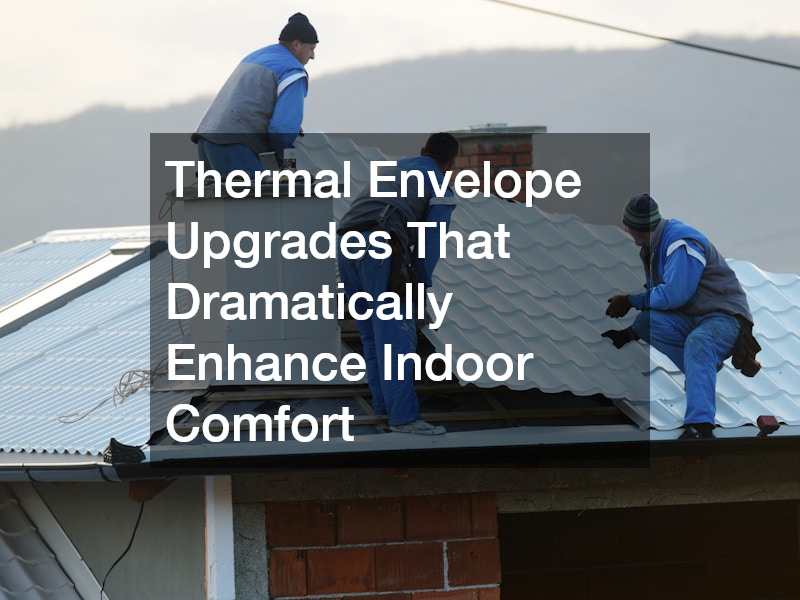
The thermal envelope of a house acts as its primary protective shield against weather extremes, outdoor moisture, and unwanted noise pollution. When this protective barrier weakens, indoor spaces suffer from temperature fluctuations, high humidity, and rising power bills that strain the household budget.
Sealing Structural Cavities to Prevent Drafts and Air Leakage
Unsealed cracks, rim joist gaps, and uninsulated attic spaces allow conditioned air to escape continuously while pulling in unconditioned exterior air. This constant transfer of air forces heating and cooling equipment to run continuously, creating unpleasant drafts across seating areas and bedrooms. Applying professional spray foam insulation to targeted spaces such as attics, crawlspaces, and exterior wall voids creates an airtight barrier that immediately stops uncontrolled air migration. Beyond regulating ambient temperature, this dense barrier dampens external street noise, preventing outside traffic sounds from disrupting nap times or evening family relaxation.
-
Reduces annual energy bills by eliminating continuous conditioned air loss through structural gaps.
-
Prevents moisture accumulation within wall cavities, curbing hidden mold and mildew growth.
-
Creates a continuous barrier that deters pests and outdoor allergens from entering living zones.
-
Enhances structural rigidity in rooflines and rim joists when high-density materials are applied.
Upgrading Exterior Cladding for Thermal Efficiency and Protection
Exterior walls are constantly exposed to wind, rain, intense sunlight, and seasonal temperature swings. Outdated or damaged exterior wall surfaces allow moisture to infiltrate the building frame, causing hidden thermal bridging that drains heat during winter and absorbs excess warmth during summer. Investing in modern siding installation provides an extra layer of continuous exterior insulation while shielding the structural framing from water intrusion. Modern exterior cladding systems incorporate advanced moisture barriers and thermal backing that significantly boost the overall insulation value of the home exterior, resulting in a noticeably quieter and more temperate interior environment.
Restoring Upper Roof Integrity to Eliminate Moisture Risks
The top covering of a house bears the heaviest burden during severe storms, heavy snow accumulation, and intense summer radiation. Minor shingle damage, degraded flashing around chimneys, or aging underlayment can cause subtle moisture seepage long before a visible ceiling stain appears. Partnering with an experienced local roofer ensures that minor structural vulnerabilities are identified and corrected before water penetrates upper-floor spaces. A fully secure overhead structure keeps attic insulation completely dry, allowing it to maintain its full thermal resistance while protecting interior ceilings and structural framing from costly decay.
-
Prevents water infiltration that leads to stained drywall and structural timber rotting.
-
Preserves the full insulating properties of attic insulation materials by keeping them dry.
-
Extends the structural lifespan of roof decking and supporting rafters.
-
Improves total home ventilation when paired with correctly installed ridge and soffit vents.
Drainage and Water Management Improvements for Foundation Safety

Water management plays a crucial role in maintaining a healthy, stable indoor environment. Unmanaged rainwater and compromised plumbing lines can cause severe foundation damage, basement dampness, and lingering odors that affect family health.
Directing Surface Water Far Away from Foundation Walls
Excess rain dripping directly from roof edges pools around the foundation, soaking into the soil and increasing hydrostatic pressure against basement walls. Over time, this pressure causes basement cracks, damp flooring, and elevated indoor humidity levels that foster mold growth. Executing a timely gutter replacement ensures that heavy rain runoff is caught instantly and routed through secure downspouts well away from the house perimeter. Clean, high-capacity water collection channels protect exterior landscaping, prevent basement dampness, and maintain a dry subterranean foundation zone.
-
Eliminates water pooling near exterior walls, preventing soil erosion around the perimeter.
-
Protects basement floors and crawlspaces from water seepage during intense downpours.
-
Prevents exterior masonry erosion and preserves decorative flower beds near the foundation.
-
Reduces foundation wall stress by keeping perimeter soil moisture levels stable.
Clearing Main Drainage Lines to Eliminate Odors and Slow Flow
Slow-draining sinks, gurgling toilets, and unpleasant sewer odors are clear indicators that organic waste, grease, and mineral deposits have accumulated inside main waste lines. When wastewater backs up, it disrupts daily chores and poses health hazards to family members. Scheduled drain cleaning clears stubborn blockages, restores original pipe diameter, and eliminates foul odors emanating from floor drains and utility fixtures. Ensuring clear wastewater pathways allows kitchen sinks, laundry systems, and bathrooms to function flawlessly during peak morning routines.
-
Eliminates foul odors caused by decaying organic debris accumulating inside interior pipes.
-
Restores full drain speed to sinks, showers, and washing machine outlets.
-
Prevents sudden, messy wastewater backups into lower-level bathrooms and utility sinks.
-
Reduces internal pipe pressure caused by severe blockages, extending system longevity.
Heating and Air Conditioning Systems for Clean Indoor Air
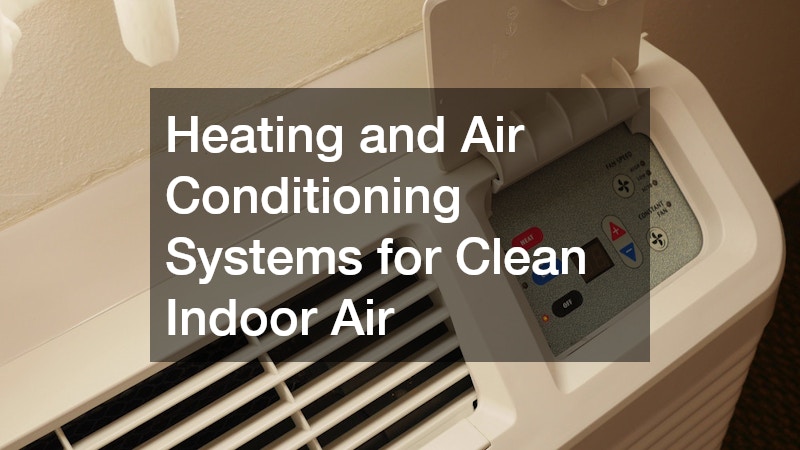
A well-maintained mechanical system is vital for maintaining healthy indoor air, balanced humidity, and optimal indoor temperatures throughout changing seasons. Neglected equipment consumes excessive electricity while failing to keep the home comfortable.
Restoring Winter Heating Performance for Consistent Thermal Balance
When temperatures drop, a faulty heating system can leave specific rooms uncomfortably chilly while overheating others. Ignition issues, clogged burners, and cracked heat exchangers reduce heating efficiency and introduce potential safety risks. Timely Heating repair fixes failing electrical components, balances burner output, and ensures safe exhaust venting. Prompt service restores consistent warmth across all living zones, allowing your family to gather comfortably in common areas without relying on noisy space heaters.
-
Restores uniform heating throughout all bedrooms and multi-level living spaces.
-
Reduces monthly heating costs by restoring original combustion and operational efficiency.
-
Enhances safety by verifying that gas valves, limit switches, and flues function correctly.
-
Prevents sudden mechanical failure during severe winter freeze events.
Optimizing Central Airflow and Air Filtration Systems
Central environmental control units rely on unobstructed airflow to distribute conditioned air to every room. Accumulated dust on blower wheels, misaligned ductwork, and dirty filters force the system to work harder, reducing comfort and distributing airborne particulates. Working with an established local hvac company ensures that duct systems are balanced, fans are calibrated, and filtration units are optimized. Professional system tuning removes dust, pet dander, and airborne allergens from circulation, creating a cleaner, healthier breathing environment for growing children and allergy sufferers.
-
Improves indoor air quality by capturing airborne allergens, dust, and microscopic debris.
-
Balances room-to-room static air pressure, eliminating hot and cold spots.
-
Reduces operational strain on blower motors, extending overall equipment lifespan.
-
Lowers monthly energy consumption by maximizing cubic feet per minute airflow efficiency.
Servicing Cooling Equipment to Handle Summer Heatwaves
Summer heatwaves test the limits of home cooling systems. Frozen evaporator coils, low refrigerant levels, and clogged condensate lines lead to insufficient cooling, high indoor humidity, and potential water damage to surrounding floors. Scheduling quick ac repair resolves electrical glitches, clears clogged drip pans, and restores proper refrigerant pressure. A well-serviced cooling system quickly removes sticky indoor humidity, keeping family members cool, rested, and energized during the hottest summer months.
-
Restores fast cooling output during high summer ambient outdoor temperatures.
-
Removes excess humidity effectively, preventing sticky indoor conditions and mold growth.
-
Prevents water overflow damage from blocked evaporator coil drain pans.
-
Minimizes electrical power spikes by ensuring compressor capacitor reliability.
Essential Plumbing Upgrades for Quiet and Dependable Operation
Plumbing systems operate continuously behind walls and beneath flooring. Small leaks, vibrating pipes, and degraded internal surfaces can quietly cause significant structural damage and disrupt household peace.
Resolving Hidden Fixture Leaks and Water Pressure Issues
Dripping faucets, constantly running toilets, and failing pressure-reducing valves waste thousands of gallons of water annually while causing subtle water damage inside cabinets and floors. High water pressure strains supply lines, creating loud knocking sounds known as water hammer whenever appliances shut off. Hiring a skilled local plumber allows you to identify hidden pinhole leaks, replace worn valve cartridges, and install pressure regulators. Fixing these minor issues restores quiet plumbing operation, protects expensive floor finishes, and prevents unexpected water utility bill spikes.
-
Stops wasteful water leaks that increase monthly utility bill costs.
-
Eliminates loud water hammer noises inside interior wall assemblies.
-
Protects cabinetry, subflooring, and joists from hidden, continuous moisture damage.
-
Stabilizes household water pressure for consistent shower temperatures and sink flow.
Modernizing Aging Subsurface Plumbing Infrastructure
Aging underground sewer and water mains are prone to root intrusion, ground movement cracking, and internal corrosion. Historically, repairing these deep pipes required excavating lawns, tearing up driveways, and disturbing family outdoor spaces for weeks. Utilizing advanced pipe lining services allows homeowners to rehabilitate damaged underground pipes from the inside out without destructive digging. Epoxy resin linings create a seamless, root-proof pipe within the existing structure, restoring high-volume waste flow and protecting surrounding landscape structures.
-
Eliminates root intrusion and structural collapse risks in aging underground lines.
-
Preserves exterior landscaping, patios, and driveways by avoiding deep trench digging.
-
Restores smooth internal pipe surfaces for faster waste flow and reduced clog risks.
-
Delivers a long-lasting structural pipe repair that lasts for decades.
Practical Steps for Prioritizing Family Home Fixes
Deciding which home repairs to address first can feel overwhelming when balancing time, family commitments, and financial budgets. A structured approach ensures that critical structural and health-related repairs take precedence over minor cosmetic updates.
Assessing Immediate Structural and Environmental Priorities
Begin by evaluating your home for active water intrusion, air leaks, and mechanical malfunctions. Inspecting attics during heavy rain, reviewing utility bills for unusual spikes, and listening for unusual sounds from mechanical equipment will help highlight pressing needs. Prioritizing repairs that affect structural integrity and indoor air safety creates a solid, worry-free baseline for future interior design projects.
-
Conduct seasonal inspections of roof edges, gutters, and basement perimeter walls.
-
Monitor monthly utility bills to detect sudden efficiency drops in heating or cooling.
-
Inspect visible plumbing under sinks and around water heaters for slow leaks or corrosion.
-
Test indoor air quality and humidity levels during extreme winter and summer months.
Creating an Action Plan for Long-Term Household Comfort
Once major priorities are identified, schedule professional services in logical sequences. Address structural shell defects like roof and siding issues before upgrading interior thermal insulation. Service central heating and cooling units before balancing room ventilation. By systematically executing essential utility and structural improvements, you transform your home into an energy-efficient, whisper-quiet space where your family can thrive for years to come.
Creating an enjoyable, stress-free family home requires looking beyond surface aesthetics and focusing on the core systems that support daily living. When roof coverings, drainage systems, wall envelopes, climate controls, and plumbing networks operate in complete harmony, the daily atmosphere inside your home changes dramatically. Unwanted drafts disappear, indoor humidity remains balanced, air quality improves, and disruptive mechanical noises are eliminated. Investing time and resources into essential structural and mechanical maintenance yields immediate returns in family health, energy savings, and daily comfort. By systematically addressing foundational home fixes, you will secure your home against environmental wear while creating a comfortable, peaceful sanctuary where your family can safely relax, grow, and build lasting memories together.