
Healthcare needs can change significantly throughout a family’s life. Children require regular developmental checkups and preventive care, adults may need ongoing support for changing health concerns, and pets depend on routine veterinary attention to remain healthy and comfortable. Managing all of these needs at once can sometimes feel overwhelming, especially when appointments, medications, preventive screenings, and unexpected health concerns compete for attention.
A well-organized approach can make healthcare easier to manage for everyone in the household. Instead of waiting until a problem becomes urgent, families can establish routines for preventive care, keep important medical information accessible, and learn which professionals can help with different concerns. It is also important to recognize that physical health, emotional well-being, mobility, and pet care can all affect the overall rhythm of family life.
In this article, we’ll explore practical ways families can manage healthcare for children, adults, and pets while preparing for changing needs, unexpected situations, and long-term wellness.

Establish A Family Healthcare Routine
One of the simplest ways to stay organized is to create a healthcare routine for the entire household. This can include annual physicals, dental appointments, eye exams, vaccinations, wellness screenings, and veterinary visits.
Rather than keeping every appointment in a separate calendar, families can use one shared system. A digital calendar can make it easier to see upcoming appointments, while reminders can help prevent routine visits from being forgotten.
Parents can also create a basic health information file for each member of the household. This might include current medications, allergies, medical history, insurance information, and contact details for important healthcare providers.
Having this information available is especially helpful when someone needs care outside of their normal routine.
Keep Children’s Healthcare On Track
Children’s healthcare needs change quickly as they grow. Infants may require frequent wellness visits, while older children may need more attention related to school, sports, development, or changing social and emotional needs.
Preventive appointments give parents an opportunity to discuss growth, nutrition, sleep, vaccinations, and other concerns with healthcare professionals. These visits can also help identify potential issues before they interfere with a child’s daily life.
Dental care deserves the same level of attention as pediatric medical care. A pediatric dentist can provide age-appropriate dental services while helping children become comfortable with regular oral health appointments.
Parents can make these visits easier by establishing simple routines at home. Brushing twice a day, encouraging healthy food choices, and helping children understand why dental care matters can build habits that continue into adulthood.

Understand Developmental And Behavioral Needs
Children do not all develop at the same pace, and families may eventually have questions about attention, learning, behavior, communication, or emotional regulation.
When concerns arise, parents can begin by discussing them with a trusted healthcare professional. Teachers and childcare providers may also provide useful observations because they see how a child interacts and functions in environments outside the home.
For children who have been diagnosed with attention-related conditions, ADHD treatments can vary depending on the child’s age, symptoms, circumstances, and healthcare provider’s recommendations.
Families should approach treatment as an ongoing process rather than assuming there is one solution that works for every child. Regular communication among parents, healthcare professionals, educators, and the child can help ensure that support continues to match changing needs.
Know Where Adults Can Get Routine Care
Adults often become responsible for coordinating not only their own appointments but also healthcare for children and sometimes older relatives. This makes having a reliable source for routine care particularly valuable.
A local doctor office can serve as an important starting point for many common healthcare needs. Routine visits may include preventive screenings, medication discussions, health monitoring, and referrals to specialists when necessary.
Adults should also pay attention to changes that are easy to dismiss because of busy schedules. Persistent fatigue, unexplained changes in weight, recurring pain, sleep difficulties, or other ongoing symptoms may deserve a conversation with a healthcare professional.
Making time for preventive care can be difficult when work and family responsibilities are demanding, but postponing routine healthcare may make it harder to address concerns later.
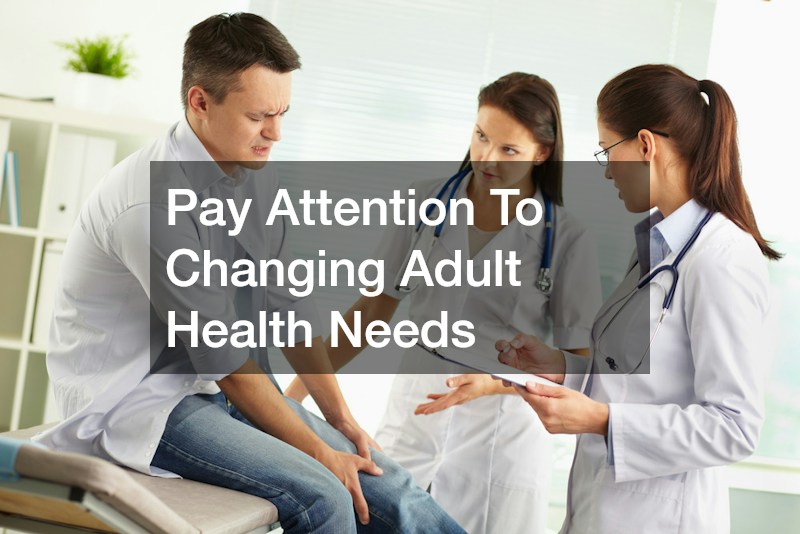
Pay Attention To Changing Adult Health Needs
Healthcare needs can change considerably throughout adulthood. A person may have different priorities in their twenties than they do in their forties, fifties, or later years.
Hormonal changes are one example. Some adults may eventually discuss symptoms related to hormonal changes with their healthcare provider. Depending on the individual situation, hormone replacement therapy may be one option a qualified medical professional discusses as part of a broader treatment plan.
The important point is that adult healthcare should be individualized. Symptoms, medical history, medications, age, and personal circumstances all influence what care may be appropriate.
Adults should also keep track of preventive screenings recommended for their age and risk factors. These appointments can provide opportunities to discuss health changes that might otherwise be overlooked.
Make Mental Health Part Of Family Wellness
Mental health is an important part of healthcare for both children and adults. Stress, grief, major life changes, relationship difficulties, work pressure, and traumatic experiences can affect emotional well-being in ways that may also influence sleep, concentration, relationships, and physical health.
Families can benefit from treating mental healthcare as a normal part of overall wellness rather than something that only becomes relevant during a crisis.
Someone dealing with the effects of a traumatic experience may choose to work with a mental health trauma counselor who has appropriate training for trauma-related concerns.
Parents should also remember that children can experience emotional difficulties even when they do not have the vocabulary to explain what they are feeling. Changes in behavior, sleep, school performance, or social interactions can sometimes indicate that a child needs additional support.
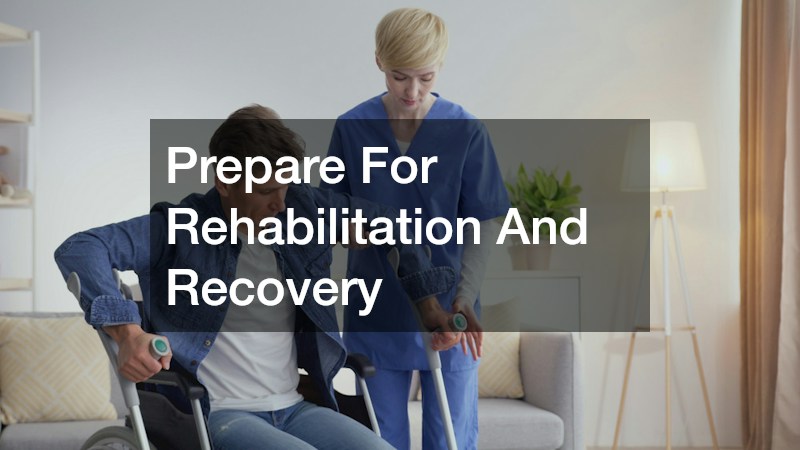
Prepare For Rehabilitation And Recovery
Healthcare does not always end when an illness, injury, or procedure is treated. Some people need additional support while rebuilding strength, mobility, coordination, or independence.
Rehabilitation therapy can play an important role in recovery by helping individuals work toward functional goals following certain injuries, surgeries, illnesses, or other health events.
The specific type of rehabilitation needed depends on the person’s condition. Physical, occupational, and speech-related services can each address different aspects of recovery.
Families can make rehabilitation easier by preparing the home environment in advance. Clear walkways, accessible frequently used items, appropriate seating, and assistance with transportation can all make daily routines more manageable during recovery.
Understand Specialized Neurological Care
Some health conditions require specialized neurological rehabilitation. This may occur after an injury or medical event that affects movement, speech, memory, coordination, or other neurological functions.
A neuro rehab center may provide specialized services designed around neurological recovery and functional improvement.
When specialized care is recommended, families can ask healthcare professionals about the goals of treatment, expected timelines, transportation needs, and ways relatives can support recovery outside of appointments.
It can also help to recognize that progress may not always happen in a straight line. Recovery can involve gradual improvements, setbacks, and adjustments to treatment plans.
Keep Emergency Information Easy To Find
Even families with excellent healthcare routines will occasionally face unexpected situations. A child may develop a high fever, an adult may experience a sudden health problem, or a pet may become seriously ill.
Every household should know how to respond when something urgent happens. Important phone numbers should be easy to find, including primary healthcare providers, emergency services, nearby urgent care facilities, and veterinary contacts.
Families can also discuss basic emergency plans with older children. Children should know how to identify a trusted adult and understand when they should seek help.
Emergency preparation is especially valuable when family members travel or spend significant time away from home.
Give Pets Preventive Healthcare
Pets are also members of many families, and their healthcare needs deserve consistent attention. Routine veterinary appointments can help monitor weight, dental health, vaccinations, nutrition, mobility, and other concerns.
Preventive care may also help identify changes that are difficult for owners to notice at first. Animals can hide discomfort, meaning subtle changes in appetite, activity, behavior, or grooming habits may deserve attention.
Dental health is another area that can easily be overlooked. A dog dental cleaning service may help address dental care needs when recommended by a veterinary professional.
At home, owners can also support oral health through appropriate brushing routines, veterinarian-approved dental products, and regular observation of the pet’s mouth.
Know What To Do During A Pet Emergency
Pet emergencies can be stressful because animals cannot explain what they are experiencing. Knowing where to go before an emergency happens can save valuable time.
An emergency vet can provide urgent evaluation and treatment when a pet experiences a serious injury, sudden illness, breathing difficulty, poisoning, or another potentially dangerous problem.
Pet owners should keep a list of nearby veterinary resources and know their regular veterinarian’s after-hours instructions. It is also helpful to keep vaccination records and medication information readily available.
Preparing a pet emergency kit can provide additional peace of mind. Depending on the household, this might include basic supplies, medications prescribed by the veterinarian, copies of medical records, and a secure carrier or leash.
Prepare For Senior Pet Care
As pets age, their healthcare needs may become more complex. Older animals may experience changes in mobility, appetite, vision, hearing, behavior, or energy levels.
Regular veterinary appointments can help owners understand which changes are part of normal aging and which may require further evaluation.
Families should also consider quality of life when caring for an aging or seriously ill pet. Discussions with a veterinarian can help owners understand available options and make decisions based on the animal’s comfort and individual circumstances.
In some situations, families may eventually need to learn about pet euthanasia services. Although this can be an emotional subject, understanding the process in advance can help owners know what questions to ask if their veterinarian believes euthanasia may be appropriate.
Make Healthcare Easier To Manage At Home
Organization can make a significant difference when multiple people and pets need healthcare. A household health binder or secure digital folder can hold important information in one place.
Families may want to organize records into separate sections for each person and pet. Medication lists, appointment notes, insurance information, vaccination records, and provider contact information can all be included.
Medication management is another area where organization matters. Families should follow professional instructions carefully and avoid making changes to prescribed medications without discussing them with the appropriate healthcare provider.
A visible household calendar can also help coordinate appointments with work, school, activities, and other responsibilities.
Build A Network Of Trusted Professionals
No single healthcare professional can address every need a family may encounter. Building a network of trusted providers allows households to access specialized care when circumstances change.
This network might include primary care providers, pediatric professionals, dentists, therapists, rehabilitation specialists, veterinarians, and other specialists.
Families can also ask providers when they should return for follow-up care and what symptoms should prompt an earlier appointment. Knowing what to watch for can reduce uncertainty.
For children and pets especially, maintaining continuity of care can be useful because providers become familiar with their history and can more easily recognize changes over time.
Balance Preventive Care With Everyday Life
Healthcare should support family life rather than consume it. While appointments and medical responsibilities are important, families also need time for work, school, recreation, relationships, rest, and everyday activities.
One way to maintain balance is to group appointments when possible. For example, a family may schedule routine appointments during the same general period each year rather than allowing them to become scattered throughout the calendar.
Another useful strategy is to plan ahead for busy seasons. School starts, holidays, travel, sports seasons, and work deadlines can all make scheduling more difficult.
Taking a few minutes to review upcoming healthcare needs each month can prevent small responsibilities from becoming overwhelming.
Teach Children To Take Part In Their Healthcare
As children get older, they can gradually become more involved in managing their own health. Parents can teach children how to describe symptoms, understand basic hygiene, remember appointments, and ask questions.
This does not mean children need to manage healthcare independently before they are ready. Instead, parents can gradually transfer age-appropriate responsibilities.
Older children may eventually learn how to keep track of medications, communicate with healthcare professionals, and recognize when they need help.
These skills can make the transition into adulthood easier while giving children a stronger understanding of their own well-being.
Create A Long-Term Healthcare Plan
A family healthcare plan does not need to predict every possible situation. Instead, it should provide a flexible framework that can change as family members age and circumstances shift.
Parents may eventually become caregivers for older relatives. Children become teenagers and then adults. Pets move through different stages of life. Careers change, families relocate, and new health concerns can arise unexpectedly.
The goal is to maintain enough organization that these changes can be handled without starting from scratch every time.
Regularly reviewing providers, insurance information, medications, emergency contacts, and preventive care schedules can help keep the household prepared.
Conclusion: Build A Healthier Family Routine
Managing healthcare for children, adults, and pets requires organization, communication, and flexibility. Every member of a household has different needs, and those needs will continue to change over time.
Families can make the process easier by prioritizing preventive care, keeping important information organized, preparing for emergencies, and establishing relationships with trusted healthcare professionals. Paying attention to both physical and emotional well-being also creates a more complete approach to family health.
The goal is not to anticipate every possible medical situation. It is to create routines that make it easier to recognize concerns, seek appropriate care, and support each family member through different stages of life. With thoughtful planning and consistent attention, healthcare can become a manageable part of a family’s routine rather than an overwhelming responsibility.