
Navigating a divorce or separation is one of the most emotionally challenging transitions a family can experience, but the practical reality of establishing two independent living environments quickly introduces a complex web of financial logistics. Parents who once shared a single mortgage, unified utility bills, and consolidated household schedules suddenly find themselves duplicating daily infrastructure. From securing double sets of bedroom furniture, clothing, and toys to managing overlapping transportation routines, the cost of raising children across two separate homes extends far beyond basic child support calculations. Many co-parents budget for obvious line items like monthly rent or legal retainers, only to be caught completely off guard by the compounding operational expenses required to maintain consistency, safety, and comfort for their children in both locations.
Rebalancing Co-Parenting Expenses and Legal Frameworks
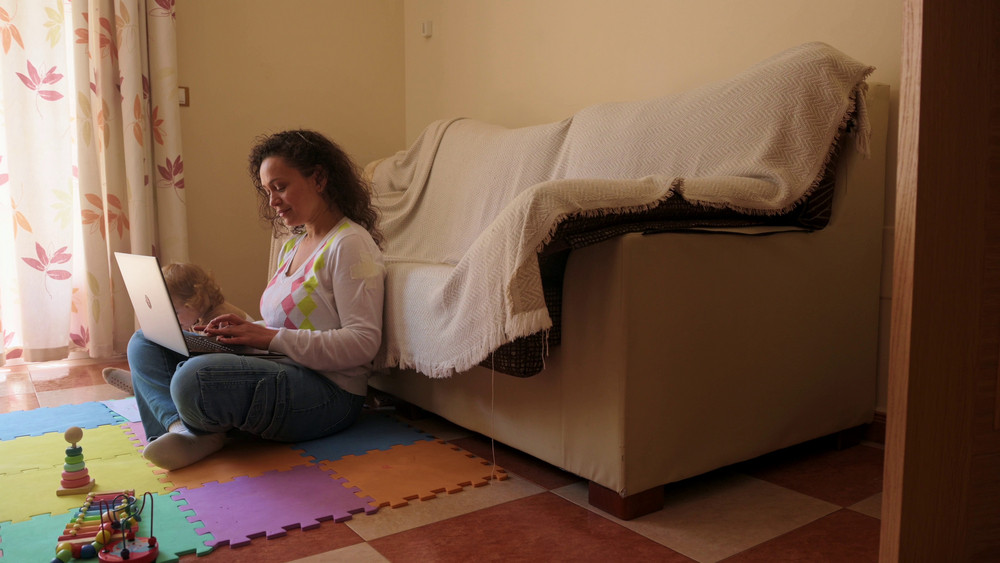
Establishing a fair and realistic financial agreement is the bedrock of successfully managing two households. Initial custody decrees typically address primary child support obligations, but they rarely capture the full spectrum of unpredictable, day-to-day operational costs that arise over time. Extracurricular fees, school field trips, seasonal wardrobe updates, and uninsured medical expenses can quickly become points of contention if they are not explicitly detailed in a formal parenting plan. Partnering early with an experienced custody attorney guarantees that your financial agreement includes clear protocols for sharing variable expenses, claiming tax dependents, and adjusting contributions as your children’s needs evolve.
A well-structured legal agreement acts as a protective blueprint that reduces interpersonal conflict and provides long-term financial predictability for both parents. Beyond setting baseline financial contributions, a formal parenting framework establishes clear guidelines for decision-making authority regarding healthcare, schooling, and religious upbringing. Having transparent, legally binding expectations allows both parents to focus their energy on creating supportive home environments rather than constantly negotiating minor financial disputes. Investing in thorough legal planning from the outset shields your family from future litigation costs and creates a stable foundation for collaborative co-parenting.
Managing Healthcare Access and Medical Continuity
Maintaining seamless medical care across two distinct residences requires intentional organization and transparent co-parenting communication. When children divide their time between different neighborhoods or school districts, ensuring they have immediate access to consistent medical records, prescription refills, and routine checkups is critical. Coordinating with a reliable primary care physician allows both parents to stay fully informed about developmental milestones, vaccination schedules, and common childhood illnesses. Having a central medical professional who understands your family’s unique dual-household dynamic ensures that health tracking remains accurate regardless of which parent accompanies the child to appointments.
In addition to routine wellness exams, co-parents must establish clear protocols for managing medical emergencies, sharing health insurance cards, and covering out-of-pocket deductibles. Keeping digital copies of medical histories, allergy lists, and treatment plans in a shared parent portal eliminates confusion and prevents delayed care during custody transitions. When both mothers and fathers actively participate in pediatric visits, medical decisions remain child-focused and collaborative. Prioritizing consistent, accessible healthcare builds a reassuring safety net that protects your children’s physical well-being across both living environments.
Prioritizing Pediatric Oral Health Care

Routine dental hygiene is another vital health requirement that can easily suffer from miscommunication between co-parents. Children moving between two homes need consistent morning and bedtime routines, including brushing, flossing, and regular preventive checkups, to prevent cavities and structural alignment issues. Scheduling bi-annual cleanings with a gentle, experienced dentist ensures that minor oral health concerns are identified early before they require costly restorative procedures. A dedicated dental office can also assist by sending appointment reminders, diagnostic reports, and billing statements directly to both parents, keeping everyone accountable.
Managing orthodontic treatments, mouthguards for youth sports, and emergency dental repairs requires close financial and logistical coordination between households. Splitting the cost of specialized dental care or cosmetic alignment should be outlined in your primary parenting agreement to avoid unexpected financial friction. Furthermore, duplicating basic oral care tools—such as electric toothbrushes, child-friendly toothpaste, and flossing picks—in both homes eliminates the stress of packing toilet kits for weekend custody exchanges. Maintaining high standards for oral care across both residences safeguards your child’s health and preserves their confident smile.
Supporting Emotional Processing Through Therapeutic Play
The emotional impact of a parental separation can manifest in complex ways for young children, who often lack the verbal vocabulary to articulate their feelings of confusion, grief, or anxiety. When children are forced to adjust to new living routines, different house rules, and double locations, behavioral shifts at home or school are common. Engaging a specialist in local play therapy provides young children with a safe, natural medium to explore their emotions, process familial transitions, and develop healthy coping mechanisms. Therapeutic play allows trained counselors to observe non-verbal cues and help children build emotional resilience during times of significant family disruption.
Incorporating professional therapeutic support early in the separation process helps mitigate long-term psychological stress and prevents behavioral issues from escalating. Counselors can also provide co-parents with practical strategies to harmonize disciplinary approaches, manage transition anxieties, and reassure children of their safety in both homes. Funding mental health support should be viewed as an essential investment in your child’s foundational well-being. By prioritizing emotional care alongside physical needs, you empower your children to navigate dual-household dynamics with confidence and stability.
Securing Reliable Early Childhood Care Networks
For working parents managing separate residences, securing dependable daily care for toddlers and young children is an absolute operational necessity. Balancing job responsibilities while adjusting to a solo-parenting schedule during custody weeks can be overwhelming without a strong support system in place. Investing in high-quality childcare offers your children a structured, predictable routine during the day while giving you the uninterrupted time needed to maintain professional productivity. Establishing reliable care options prevents last-minute work disruptions and reduces the logistical pressure on both co-parents.
When selecting care providers, co-parents must align on location convenience, operating hours, safety credentials, and emergency contact protocols. Having a single, centralized care facility where both parents can pick up and drop off children fosters consistency and simplifies daily commuting routines. Shared messaging portals offered by modern care centers allow both households to receive real-time updates, meal logs, and nap schedules, ensuring complete transparency. Securing steady, trustworthy care creates an essential bridge that supports working parents while keeping young children safe and engaged.
Evaluating Early Learning Environments and Facilities

As children grow beyond basic infant care, choosing the right early learning environment becomes a major strategic decision for expanding families. Parents must evaluate options that offer enriched social opportunities, structured early literacy programs, and physical activity zones. Touring local daycares allows co-parents to compare teacher-to-child ratios, educational philosophies, and facilities to find an environment that aligns with shared developmental goals. Selecting a accredited facility ensures your child receives high-quality developmental engagement during their most critical formative years.
The financial cost of full-time early education is often one of the largest recurring expenses in a dual-household budget. Co-parents should carefully review tuition schedules, sibling discounts, and late-pickup fees to ensure costs are distributed fairly according to legal agreements. Additionally, ensuring both parents are listed on authorization forms and school communication channels prevents feelings of exclusion and promotes active involvement from both households. Investing in top-tier early childhood facilities provides young children with foundational academic and social skills that prepare them for lifelong learning success.
Investing in Structured Early Education Programs
Transitioning into formal early education marks a major milestone in a young child’s academic journey, requiring both structure and developmental preparation. Enrolling your child in an accredited preschool provides a balanced blend of guided academic instruction, creative exploration, and peer socialization that eases the eventual jump into kindergarten. For children living across two households, the predictable structure of a classroom environment offers a comforting anchor amid changing home schedules. Consistent academic routines reinforce cognitive growth and help children build self-regulation skills in a supportive setting.
Co-parents should collaborate closely with early childhood educators to monitor developmental progress, social integration, and behavioral adjustments. Parent-teacher conferences provide valuable neutral space to discuss how home transitions might be affecting classroom performance or emotional focus. Furthermore, splitting the cost of school uniforms, supplies, learning applications, and field trips should be handled seamlessly through shared parent expense apps. Prioritizing high-quality early schooling ensures your child gains the confidence and foundational knowledge needed for future academic achievements.
Arranging Specialized At-Home Support and Nursing Care
In families where a child or family member has specialized physical needs, medical conditions, or developmental disabilities, managing two separate households requires advanced support systems. Coordinating daily care routines, therapy schedules, and specialized equipment moves between houses can quickly overwhelm solo co-parents. Engaging a professional home care service brings trained medical aides, occupational assistants, or respite caregivers directly into both living environments to assist with complex daily routines. Having expert support at home ensures that safety protocols and specialized care standards are maintained flawlessly regardless of location.
Specialized at-home care also offers critical relief to co-parents who may be managing demanding work hours or caring for multiple children simultaneously. Trained caregivers can assist with mobility support, medication management, and specialized therapeutic exercises, reducing physical strain on parents. Co-parents should ensure that care agency contracts, service hours, and billing responsibility are clearly established in their formal support agreements. Investing in professional home care safeguards your child’s specialized health needs while maintaining a safe, comfortable, and therapeutic atmosphere in both residences.
Maintaining Hygiene and Sanity Across Dual Residences

Managing the daily chores of cooking, laundry, cleaning, and sanitizing across two separate homes can rapidly lead to parental burnout, especially during busy custody switchover days. When solo parents are responsible for every household task, quality time with children often gets traded for endless housework. Hiring professional deep cleaning services to perform routine or seasonal sanitation ensures that both homes maintain pristine, healthy, and organized living environments. Arriving home with your children to a spotless, well-maintained space reduces stress and allows you to focus fully on emotional connection.
Continuous deep sanitation is also essential for controlling household allergens, dust, and common germs that children bring home from school or childcare facilities. Professional cleaners can tackle labor-intensive tasks—such as scrubbing grout, sanitizing soft furnishings, cleaning kitchen appliances, and washing baseboards—that busy single parents rarely have time to address. Co-parents can schedule deep cleaning visits right before custody weeks begin, ensuring that children always step into a fresh, inviting environment. Delegating heavy household chores to professionals protects your mental energy and elevates your family’s overall quality of life.
Adapting Physical Spaces for Growing Children
Moving into a new residence or transforming a single-income home to accommodate children full-time often requires physical structural modifications. Children need dedicated bedrooms, functional study nooks, safe play areas, and adequate storage for clothes and toys to feel truly anchored in both locations. Partnering with licensed home remodelers allows parents to reconfigure floor plans, build custom built-in storage, add extra bathrooms, or finish basements into child-friendly recreational spaces. Thoughtful architectural adjustments help maximize available square footage and turn a basic house into a functional, welcoming family home.
Physical space adaptations should anticipate your children’s changing needs as they grow from toddlers into teenagers requiring greater privacy and study zones. Installing safety features like secure stair railings, built-in gates, or impact-resistant windows provides peace of mind while creating a child-proof environment. While remodeling represents a significant upfront capital expense, building out functional, tailored living spaces increases property value and provides your children with a permanent sense of ownership and comfort in their home. Creating a beautiful, tailored space signals to your children that they are fully embraced and prioritized.
Managing Transportation, Extra Gear, and Duplicated Belongings
One of the most insidious hidden costs of raising children across two homes is the continuous duplication of daily gear, clothing, and technology. Constantly packing and hauling heavy suitcases, sports equipment, musical instruments, and school supplies between houses increases the risk of lost items and creates unnecessary stress for children during custody exchanges. To create a seamless experience, co-parents should aim to duplicate basic essentials—such as winter coats, shoes, pajamas, toiletries, chargers, and favored toys—so that children can travel light between residences with just their school backpacks.
Transportation logistics also require careful financial and time management, especially when parents live in different school districts or across town from one another. Increased fuel consumption, vehicle wear and tear, highway tolls, and potential second-car purchases add substantial hidden overhead to dual-household budgets. Co-parents should establish clear, equitable schedules for handling school drop-offs, extracurricular shuttle runs, and custody swap meetings to share the driving burden fairly. Streamlining transportation routines and minimizing heavy packing keeps custody transitions calm, predictable, and stress-free for your children.
Navigating Long-Term Extracurricular and Social Commitments
As children grow, their social calendars, competitive sports leagues, music lessons, and summer camp commitments expand rapidly, bringing a new tier of shared financial and scheduling responsibilities. Participating in organized youth sports or arts programs fosters discipline, physical health, and social connections, offering valuable stability during family changes. However, registration fees, specialized gear, travel team expenses, and weekend tournament travel require close financial coordination and mutual agreement between co-parents before sign-ups occur.
Co-parents must commit to supporting their children’s extracurricular passions equally, regardless of whose custody weekend a game, recital, or practice falls on. Attending events peacefully and encouraging your child from the sidelines reinforces a unified front and shows your child that their interests transcend household divisions. Shared digital calendars should be used to track practice times, game locations, and carpool assignments to prevent missed events or double-booking. Supporting your child’s social and athletic pursuits builds self-esteem and maintains valuable community ties through family transitions.
Ultimately, successful co-parenting is not about perfecting every financial split down to the penny; it is about creating a unified, child-centered strategy that prioritizes stability, love, and growth above all else. When children see both of their parents managing logistics calmly, respecting shared commitments, and maintaining safe, comfortable homes, they learn resilience and security. Equipping both of your residences with the necessary systems, services, and emotional resources ensures that your children never feel caught between two worlds, but rather fully supported in two wonderful places they proudly call home.