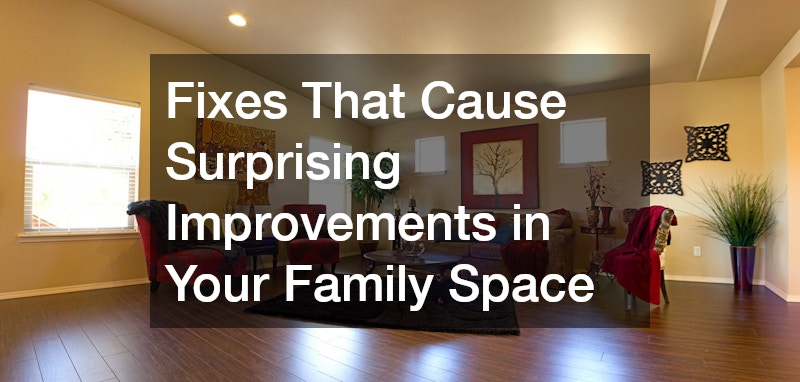
The landscape of retirement has shifted dramatically. In 2026, the concept of “aging in place” is no longer just a preference—it is a sophisticated lifestyle choice supported by cutting-edge technology, innovative financial products, and a specialized workforce. Research shows that over 90% of older adults now intend to stay in their homes for as long as possible, prioritizing the comfort of familiar surroundings and the preservation of community ties over the clinical environment of traditional facilities.
However, a successful transition into these golden years requires more than just a desire to stay put. It demands proactive planning, structural foresight, and a strategic approach to wellness. It’s all within your reach, though, don’t worry! This comprehensive guide explores how to transform a standard residence into a lifelong sanctuary that evolves with your needs.
Leveraging Strategic Financial Planning

The foundation of a comfortable retirement often rests on how effectively you manage your primary asset: your home. For many homeowners, the equity built over decades becomes the engine that powers necessary modifications and future care. Evaluating your current financial standing is the first step in ensuring your home remains a viable place to live for twenty or thirty more years.
In 2026, several financial vehicles have emerged to help seniors fund accessibility projects. A popular option is the cash-out refinance, which allows you to replace your existing mortgage with a new one, providing a lump sum of cash to cover major renovations. This can be particularly effective if your current interest rate is higher than market averages or if you have substantial equity. By folding the cost of a new roof, a walk-in tub, or a smart-home system into your primary loan, you create a predictable, single monthly payment that fits into your fixed-income budget.
-
Financial Health Check: Review your debt-to-income ratio before committing to major renovations.
-
Tax Benefits: Consult with a specialist to see if medical-related home improvements are tax-deductible under current IRS guidelines.
-
Grant Programs: Research state-level grants designed to help seniors stay in their homes.
Building for a Lifetime with Universal Design
When simple repairs aren’t enough, many families look toward new construction or significant additions to create a truly accessible environment. This is where the expertise of a professional custom home builder becomes invaluable. Unlike general contractors, a custom home builder understands the nuances of universal design—a philosophy that ensures a home is usable by everyone, regardless of age or ability, without looking like a hospital ward.
A well-designed home should feature zero-threshold entries, wider hallways, and reinforced bathroom walls to allow for the easy installation of safety bars later. By working with a builder who specializes in these features, you ensure that the aesthetics of your property remain high while the functionality is optimized for your future self.
-
Kitchen Accessibility: Install pull-down shelving and lever-style faucets that are easier for arthritic hands.
-
Lighting Strategy: Increase the number of lumens in task areas like the kitchen and stairs to compensate for age-related vision changes.
-
Bathroom Safety: Prioritize “curbless” showers that eliminate the trip hazard of a traditional tub.
The Rise of the Specialized Forever Home
For those who are moving late in life or starting fresh, the trend of the modern custom home is leaning heavily toward multigenerational and adaptive floor plans. In 2026, these homes are often built with “flex suites”—spaces that can serve as a home office today but easily transition into a caregiver’s quarters or a primary suite tomorrow.
This architectural foresight prevents the need for a traumatic move in the face of a health crisis. Investing in a property that is built specifically for longevity means you can enjoy luxury finishes and modern aesthetics while knowing the “bones” of the house are ready for any mobility challenge. These homes often feature open-concept living areas that make it easy for those using walkers or wheelchairs to navigate without feeling restricted or cramped.
-
Smart Flooring: Choose slip-resistant materials like luxury vinyl plank or cork that offer both durability and safety.
-
Outdoor Transitions: Ensure decks and patios are flush with the interior floor to prevent falls at the threshold.
-
Elevator Readiness: Designate stacked closets that can be converted into a residential elevator shaft if needed later.
Enhancing Mobility with Advanced Equipment
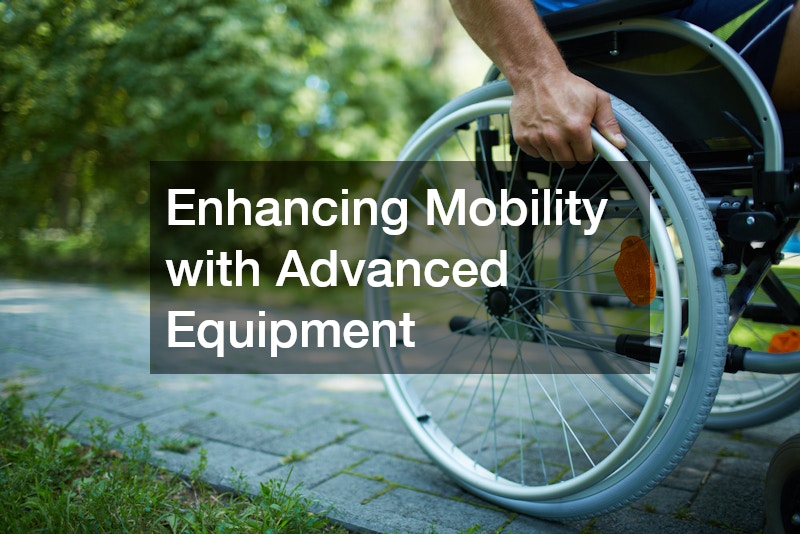
Safety inside the home is only half the battle; maintaining a connection to the outside world is equally vital for mental wellness. Isolation is one of the leading causes of cognitive decline in seniors, making transportation a key pillar of aging in place. If a resident uses a wheelchair or power scooter, traditional vehicles can become a barrier rather than a tool for freedom.
The installation of a car wheelchair lift can revolutionize how a senior interacts with their community. These lifts allow for the safe transport of heavy mobility devices, ensuring that trips to the grocery store, the doctor, or a grandchild’s birthday party remain possible. Modern models are more compact and reliable than ever, often integrating directly with a vehicle’s existing power system and requiring minimal effort to operate.
-
Vehicle Compatibility: Check if your current SUV or van is rated for the weight of a hitch-mounted or interior lift.
-
Ease of Use: Opt for fully automatic models that don’t require the user to stand for long periods during loading.
-
Regular Maintenance: Schedule bi-annual checks for your mobility equipment just as you would for your car’s engine.
Connecting with Community-Based Support
No matter how well-designed a home is, most seniors will eventually benefit from some level of professional oversight. Finding a high-quality local senior care provider is about more than just hiring help; it is about building a relationship with an organization that knows the local resources, medical networks, and community services available in your specific area.
Local providers often have the advantage of faster response times and a deeper pool of caregivers who are familiar with the neighborhood. When vetting these agencies, it is important to ask about their caregiver retention rates and their process for matching staff with clients. A good match can lead to a long-term partnership that drastically improves the quality of life for everyone involved.
-
Review Local Ratings: Use verified review platforms to see how agencies perform in your specific zip code.
-
In-Person Interviews: Never hire an agency without a face-to-face consultation in your home.
-
Community Resources: Ask if the agency coordinates with local senior centers or “Village-to-Village” networks.
Professional Oversight and Care Management
As care needs become more complex, families often turn to a larger, more structured elder care company to manage the logistics of daily support. These organizations typically offer a broader range of services, from basic meal preparation to complex care management and advocacy. Having a professional manager oversee the care plan ensures that nothing falls through the cracks, especially when family members live in different states.
These companies often use sophisticated software to track health metrics, medication adherence, and daily activities, giving remote family members peace of mind. They act as the “quarterback” of the care team, communicating with doctors and ensuring that the home environment remains conducive to the resident’s evolving health status.
-
Care Coordination: Ensure the company provides a dedicated care manager to handle communication with your medical team.
-
Emergency Protocols: Review the company’s backup plan for when a primary caregiver is unable to make it to a shift.
-
Financial Transparency: Request a clear breakdown of costs, including any rates for holidays or emergency visits.
The Role of Social and Emotional Support

Wellness is not just the absence of disease; it is the presence of joy and connection. This is why companion care for seniors has become a cornerstone of the aging-in-place movement. This type of support focuses on the social and emotional aspects of life—sharing a meal, playing a game, or simply having a meaningful conversation.
For many, this companionship is the “glue” that holds their daily routine together. It provides a reason to get dressed and stay active, which are critical factors in preventing depression and physical frailty. Agencies are focusing on “lifestyle matching,” where they pair seniors with companions who share their hobbies, whether it’s gardening, history, or tech-gadgetry.
-
Activity Planning: Work with your companion to set weekly goals, such as walking in the park or visiting a local library.
-
Mental Stimulation: Use companion time for brain-stimulating activities like puzzles or learning a new digital skill.
-
Respite for Families: Use companion services to give family caregivers a necessary break to prevent burnout.
Integrating Practical Daily Assistance
As physical stamina naturally decreases, small tasks like laundry, light housekeeping, and grocery shopping can become overwhelming. Professional in home care services are designed to pick up these “activities of daily living,” allowing the senior to focus their energy on the things they actually enjoy.
These services are highly flexible and can be scaled up or down based on current needs. For example, a senior might only need help with heavy cleaning once a week or meal prep every other day. By outsourcing these chores, the resident remains in control of their schedule and their environment without the stress of a mounting to-do list.
-
Customized Scheduling: Start with a few hours a week and adjust as your comfort level and needs change.
-
Safety Checks: Caregivers providing these services also act as a “second set of eyes” to spot potential hazards like expired food or trip hazards.
-
Nutritional Support: Use help with meal prep to ensure a balanced diet that supports bone health and energy levels.
Coordinating Medical and Clinical Care
There is a distinct difference between help with household chores and the clinical support required for recovery or chronic illness management. Professional home health care is usually ordered by a physician and includes visits from registered nurses, physical therapists, or speech pathologists. This is medical-grade care delivered in the comfort of your living room.
In 2026, the technology used in these visits is staggering. Portable diagnostic tools and remote monitoring systems allow medical professionals to track vitals in real-time, often preventing the need for an expensive and stressful hospital readmission. This level of care is essential for those managing conditions like heart failure, diabetes, or post-surgical recovery.
-
Insurance Coverage: Confirm with your provider how much of the clinical home care is covered by Medicare or private insurance.
-
Interdisciplinary Teams: Ensure your physical therapist and nurse are communicating to provide a cohesive recovery plan.
-
Education: Use these visits to learn how to properly use medical equipment or manage complex medication schedules.
Finding the Right Long-Term Care Solution
Finally, for those who require a permanent, high-touch support system, a comprehensive home care service offers a “live-in” or 24/7 care model. This is the ultimate alternative to a nursing home. It provides the highest level of safety and personal attention while allowing the resident to remain in the home they love, surrounded by their own memories and belongings.
A full-service model often includes a combination of nursing oversight and personal care assistance. This ensures that even as health needs fluctuate, the resident does not have to face the trauma of relocation. By creating a mini-facility within the private home, families can ensure that their loved ones receive the absolute best in personalized, dignified care.
-
Environment Assessment: Ensure your home has a suitable, private space if you are considering 24/7 live-in care.
-
Technology Integration: Use AI-driven fall detection systems as a backup to human oversight for maximum safety.
-
Regular Plan Reviews: Meet with the agency every 90 days to adjust the care plan as health conditions evolve.
Aging in place is a journey that requires equal parts heart and head. By addressing the physical structure of your home, the financial strategies required to maintain it, and the professional care network needed to support your health, you can create a retirement that is both safe and deeply fulfilling. The tools and services available today have made it possible to design a lifestyle that honors your past while fully embracing your future. With the right preparation, your home will remain exactly what it was always meant to be: your sanctuary.