Owning a home means stepping into a rhythm that changes with the seasons. What works in July won’t necessarily hold up in January, and the small issues you ignore in spring can quietly grow into expensive problems by fall. Seasonal upkeep isn’t just about staying busy—it’s about protecting your comfort, your safety, and your long-term investment.
Many homeowners only react when something breaks. A pipe bursts, the air stops working, or the lights go out during a storm. But the more experienced approach is proactive. It’s noticing the early signs, understanding how your home behaves throughout the year, and taking small, consistent actions that prevent disruption.
Think of your home like a system rather than a structure. Everything—from airflow to water quality to structural integrity—is connected. When you maintain one part, you often support several others at the same time. That’s the mindset that makes seasonal upkeep manageable rather than overwhelming.
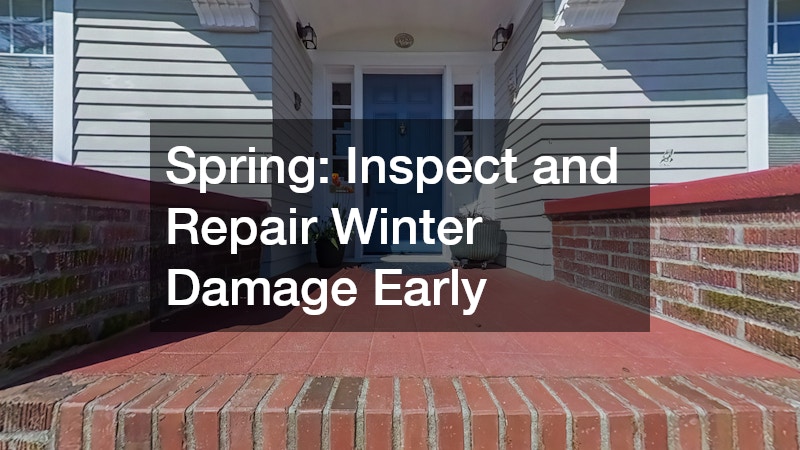
Spring: Inspect and Repair Winter Damage Early
Winter tends to leave behind more damage than most homeowners realize. It’s not always obvious at first glance. A roof may look intact, but there could be hidden moisture issues. A yard might seem fine, but subtle shifts in grading can affect drainage later on.
Start by walking your property slowly and intentionally. Look for uneven ground, pooling water, cracked pavement, or loose exterior materials. These are often the first clues that winter stress has taken a toll.
After severe weather, storm damage cleanup becomes a priority. Even minor debris or unnoticed water intrusion can create long-term issues if left alone. Clearing branches, checking gutters, and ensuring water flows away from your foundation are simple but critical steps.
In some cases, it’s worth bringing in a property surveyor—especially if you notice changes in land boundaries, fencing alignment, or drainage patterns. Seasonal shifts can subtly alter how your property behaves, and catching those changes early can prevent disputes or structural complications later.
The key here isn’t perfection—it’s awareness. Spring is your opportunity to reset the condition of your home before heavier usage ramps up in summer.
Spring Systems Check: Refresh Critical Home Functions
As temperatures begin to rise, your home’s systems transition from winter mode to summer demands. This is the moment to make sure everything is ready before you actually need it.
Start with your cooling system. If your home takes longer than usual to cool, or if airflow feels uneven, it may be time for air conditioner repair. Addressing small inefficiencies now can prevent a breakdown during the hottest days of the year.
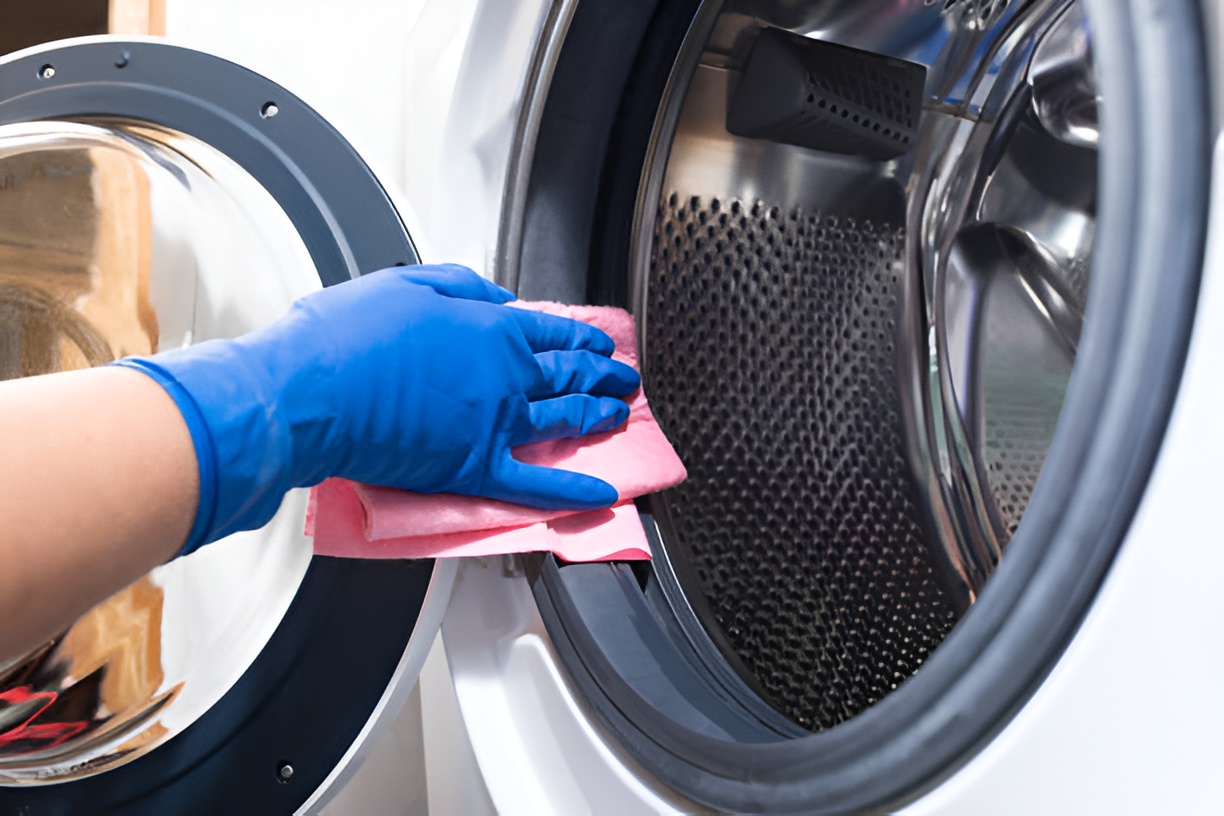
Appliances also deserve attention after months of heavy use. Your washer, dryer, and kitchen appliances may have endured increased workload during colder months. Scheduling appliance repair or at least performing basic maintenance—like cleaning filters and checking connections—can extend their lifespan significantly.
A simple way to approach this section of upkeep is to create a short checklist:
- Test major systems before peak usage
- Clean or replace filters
- Listen for unusual noises or performance changes
- Address minor issues before they escalate
This isn’t about overhauling your home—it’s about fine-tuning it so everything runs smoothly when you rely on it most.
Summer Prep: Boost Efficiency Before Peak Heat

Summer places a unique strain on your home, especially when it comes to energy usage and indoor comfort. If your home struggles to stay cool, the issue often isn’t just your HVAC system—it’s how well your home retains conditioned air.
Improving insulation can make a noticeable difference. Many homeowners find that upgrading to spray foam insulation helps seal gaps and reduce energy loss. This type of insulation expands to fill small openings, making it particularly effective in attics and crawl spaces.
Water quality also becomes more noticeable in summer, especially with increased usage. Hard water can affect everything from your shower experience to the efficiency of your appliances. Maintaining water softeners ensures that your plumbing system runs smoothly and that mineral buildup doesn’t shorten the life of your fixtures.
Imagine stepping into your home on a hot afternoon and feeling immediate relief instead of lingering heat. That comfort often comes from behind-the-scenes improvements like insulation and water treatment—details that aren’t always visible but make a significant impact.
Summer Safety: Prepare for Power and Weather Disruptions
Summer storms can be unpredictable, and power outages often happen when you least expect them. That’s why preparation matters more than reaction.
If you rely on backup power, generator repair should be part of your seasonal routine. Test your system before storm season begins. Make sure it starts reliably, runs smoothly, and has the fuel it needs. A generator that fails during an outage defeats its entire purpose.
At the same time, consider any upgrades or installations you’ve been planning. Many homeowners don’t realize that certain projects require building permits, even if they seem minor. Whether you’re installing a generator, upgrading electrical systems, or modifying structures, ensuring compliance protects you from fines and safety risks.
A practical way to think about summer safety is this: prepare for inconvenience before it becomes an emergency. When systems are tested and properly installed, you gain peace of mind that extends beyond a single season.
Fall Maintenance: Prepare Your Home for Cold Weather
As temperatures begin to drop, your focus shifts from cooling to heating—and from expansion to protection. Fall is the time to address anything that could become a problem once winter arrives.
If your home includes a fireplace, scheduling a chimney inspection is essential. Even if you haven’t used it recently, debris or buildup can create serious safety hazards. A thorough inspection ensures proper ventilation and reduces the risk of fire or carbon monoxide issues.
Inside the home, small details matter just as much. Cracked or deteriorating tile lines may seem cosmetic, but grout repair plays a role in preventing moisture from seeping into walls and floors. Over time, that moisture can lead to mold or structural damage.
Fall maintenance is about tightening up your home—closing gaps, fixing vulnerabilities, and preparing for a season where repairs are more difficult and more urgent.
Fall Efficiency Upgrades: Seal, Protect, and Save
There’s a brief window in fall where temperatures are mild enough to tackle efficiency upgrades without discomfort. This is the ideal time to address air leaks and system transitions.
Revisiting insulation—especially areas you may have overlooked earlier—can help stabilize indoor temperatures. Spray foam insulation is particularly useful for sealing irregular spaces where traditional materials fall short.
At the same time, your cooling system is winding down. If you noticed performance issues during the summer, now is a good moment to evaluate whether air conditioner repair or replacement is necessary. Addressing these concerns in the fall avoids the rush and higher costs that often come with peak seasons.
Think of this period as a bridge between extremes. The work you do here ensures that your home doesn’t overwork itself when winter arrives.
Winter Readiness: Prevent Emergencies Before They Happen
Winter has a way of exposing weaknesses. Systems that seemed fine in milder weather can fail under pressure, and small vulnerabilities can quickly escalate.
Start by confirming that your backup power is reliable. Generator repair should already be completed, but it’s worth testing again before severe weather hits. Make sure everything operates as expected under load.
Storm preparation also includes having a plan for storm damage cleanup. Knowing who to call, what steps to take, and how to protect your home immediately after an event can make a significant difference in recovery time.
Consider how your home responds to stress. Does water pool near the foundation? Do certain rooms get noticeably colder? These observations help you anticipate issues rather than react to them.
Winter readiness isn’t about expecting the worst—it’s about ensuring you’re not caught off guard.
Winter Indoor Maintenance: Protect Your Living Space
During winter, your home becomes a closed environment. Systems run more frequently, and small inefficiencies become more noticeable.
Water quality continues to play a role. Maintaining water softeners helps prevent mineral buildup that can strain heating systems and appliances. This is especially important when usage increases due to more time spent indoors.
Appliances also work harder in winter. If something begins to fail—whether it’s a dryer struggling to heat or a dishwasher leaving residue—addressing it early through appliance repair can prevent a complete breakdown during a time when you rely on these systems most.
There’s a certain comfort in knowing your home is functioning reliably when the outside environment is harsh. That comfort comes from consistent, thoughtful maintenance.
Year-Round Structural Awareness: Stay Ahead of Problems

Some aspects of homeownership don’t belong to a single season. They require ongoing attention and periodic reassessment.
Changes in your property—whether due to landscaping, erosion, or neighboring developments—can affect boundaries and drainage. Consulting a property surveyor from time to time ensures that your understanding of your land remains accurate.
Similarly, any structural modifications or additions should be approached carefully. Building permits exist for a reason—they ensure that work meets safety standards and aligns with local regulations. Skipping this step can lead to complications when selling your home or addressing insurance claims.
Keeping records of inspections, repairs, and upgrades may not feel urgent, but it becomes invaluable over time. It provides a clear history of your home and helps you make informed decisions moving forward.
Creating a Simple Seasonal Upkeep Routine
The biggest challenge with home maintenance isn’t knowing what to do—it’s staying consistent. A structured routine makes that consistency achievable.
Instead of thinking in terms of overwhelming to-do lists, break upkeep into manageable cycles. Assign tasks to specific seasons, and then divide them further into smaller monthly actions.
For example:
- Early spring: inspect exterior and address visible damage
- Late spring: service systems and appliances
- Summer: focus on efficiency and safety
- Fall: prepare for cold weather and seal vulnerabilities
- Winter: monitor indoor systems and address issues promptly
Digital tools can help, but even a simple calendar reminder can keep you on track. The goal is to create a rhythm that feels sustainable rather than burdensome.
Over time, this routine becomes second nature. You’ll start to anticipate what your home needs before problems arise, and maintenance will feel less like a chore and more like a habit.
Building Long-Term Comfort Through Consistent Care

A well-maintained home doesn’t happen by accident. It’s the result of small, thoughtful actions repeated over time. Seasonal upkeep isn’t about perfection or constant work—it’s about paying attention, responding early, and understanding how your home evolves throughout the year.
When you approach maintenance with intention, you gain more than just a well-functioning house. You gain confidence. You know what to expect, how to respond, and when to act. That sense of control transforms homeownership from reactive to proactive.
There’s also a financial benefit that often goes unnoticed. Preventive maintenance tends to cost far less than emergency repairs. Fixing a minor leak, sealing a draft, or servicing a system early can save thousands down the line. Over time, these small savings compound, making your home more affordable to maintain.
Beyond cost, consistent care also improves daily living. Your home feels more comfortable, your systems run more efficiently, and unexpected disruptions become less frequent. There’s a noticeable difference between a home that’s maintained regularly and one that’s only addressed when something breaks.
Another advantage is peace of mind. When severe weather rolls in or temperatures shift dramatically, you’re not scrambling to prepare—you already have. That sense of readiness reduces stress and allows you to focus on what matters most.
Ultimately, seasonal upkeep is less about the tasks themselves and more about the lifestyle it creates. It encourages attentiveness, responsibility, and a deeper understanding of the place you live. And over time, that consistency turns your house into something more dependable, more resilient, and far more enjoyable to live in.