Every family deserves a living space where they can relax, grow, and thrive without worrying about hidden hazards or sudden structural emergencies. Our houses are more than just physical shelters; they are the backdrop for childhood memories, daily routines, and family gatherings. Ensuring that this environment remains genuinely secure requires proactive effort, regular routine maintenance, and a clear understanding of potential household risks. From the air your children breathe to the stability of the trees towering over your roof, home safety encompasses a wide range of considerations.
Building a truly secure dynamic indoors and outdoors means looking past surface aesthetics to evaluate functional systems. While stylish updates and cozy decor make a house feel welcoming, robust infrastructure and preventive care are what keep it safe. By paying close attention to indoor air quality, plumbing efficiency, heating elements, outdoor landscaping, and fire suppression systems, you can create a complete shield around your loved ones. Taking a structured, hands-on approach allows you to identify minor vulnerabilities before they spiral into costly, dangerous complications.
Protecting Air Quality and Structural Integrity
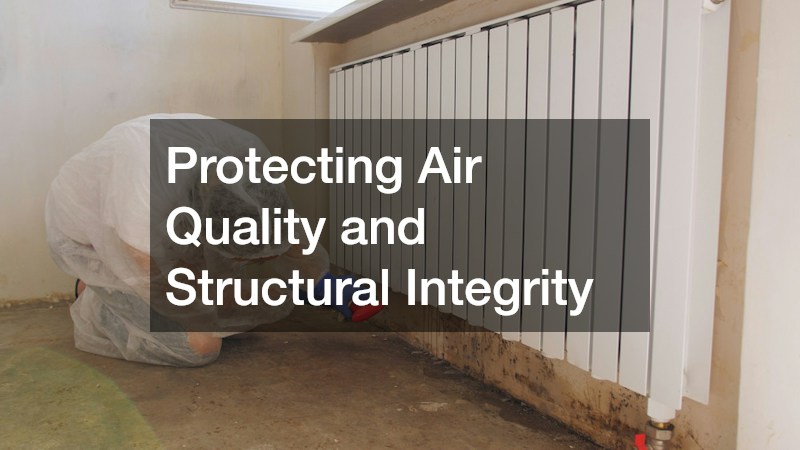
Indoor air quality and underlying environmental factors play a massive role in the health and wellness of your family. Clean air supports better sleep, reduces allergy symptoms, and prevents long-term respiratory issues in young children and aging adults alike.
Managing Environmental Toxins
Older properties often hide hazardous materials behind generations of paint or inside original insulation products. Hazardous mineral fibers were frequently utilized in construction materials like floor tiles, pipe wrapping, and textured paints prior to modern safety bans. When these older materials begin to degrade or become disturbed during DIY renovation projects, microscopic fibers release into the surrounding air, creating significant long-term health risks for inhabitants. Arranging for certified asbestos abatement ensures that these microscopic fibers are safely contained and removed from your living environment by trained professionals who follow strict containment protocols.
Controlling Excess Moisture
High humidity levels and persistent moisture leaks create an ideal breeding ground for biological growth inside walls, basements, and crawlspaces. When dampness lingers unchecked, aggressive spores spread rapidly throughout structural framing and HVAC ductwork, degrading air quality and triggering severe respiratory discomfort. Reaching out to a qualified local mold remediation company helps you identify hidden moisture sources, thoroughly sanitize affected areas, and restore a healthy indoor atmosphere for your entire household.
Improving Whole-House Ventilation
Proper airflow is essential for circulating fresh oxygen and driving out household toxins. Modern homes are built with tight seals for energy efficiency, which can inadvertently trap airborne particulates, cooking fumes, and pet dander inside.
- Clean or swap out standard heating and cooling air filters every one to three months to maximize airflow efficiency.
- Run mechanical exhaust fans in bathrooms and kitchens during and after use to vent lingering steam and airborne grease outside.
- Open windows periodically during mild weather to encourage cross-ventilation and flush stagnant air out of living quarters.
Upgrading Filtration Systems
For families dealing with persistent seasonal allergies or asthma, standard furnace filters may not offer sufficient protection against microscopic irritants. Upgrading to high-efficiency particulate air filtration systems can capture over ninety-nine percent of floating dust, pollen spores, and pet dander. Maintaining clean air registers and scheduling professional duct cleaning sessions ensures that your central air system delivers fresh, healthy air to every room in your home.
Managing Essential Water and Plumbing Infrastructure

Water provides essential comfort for daily life, but unmanaged water can quickly become one of the most destructive forces inside a residential structure. Keeping your home safe involves monitoring pressurized lines, drainage setups, and heating appliances.
Maintaining Water Heating Efficiency
Water heaters operate continuously to supply your home with hot water for cooking, cleaning, and bathing. Over time, mineral sediment builds up at the bottom of the heating tank, reducing overall heating performance and potentially causing internal corrosion that leads to sudden bursts. Partnering with a licensed water heater repair company gives you access to essential preventive flushes, pressure relief valve tests, and early leak detection, protecting your home against severe internal flooding.
Mitigating Plumbing Surges
Plumbing failures rarely happen on a predictable schedule and often occur during late hours or holiday weekends. A sudden pipe rupture, severe drain blockage, or overflowing fixture can saturate subfloors, ruin drywall, and destroy irreplaceable personal keepsakes within minutes. Having direct contact details ready for emergency plumbing services allows you to act immediately when a high-pressure line fails, minimizing water damage and preventing long-term structural rotting.
Protecting Structural Foundations
Groundwater management around the exterior perimeter is crucial for preserving the foundation of your house. Heavy rainfall and melting snow can pool against basement walls, causing hairline cracks to expand over time.
- Inspect exposed basement and crawlspace walls seasonally for signs of flaking, mineral deposits, or moisture dampness.
- Clear leaves and outdoor debris from rain gutters to ensure roof runoff drains far away from the foundation edge.
- Install and periodically test a battery-backed sump pump system in lower levels prone to seasonal water accumulation.
Enhancing Fire Safety and Heating Systems
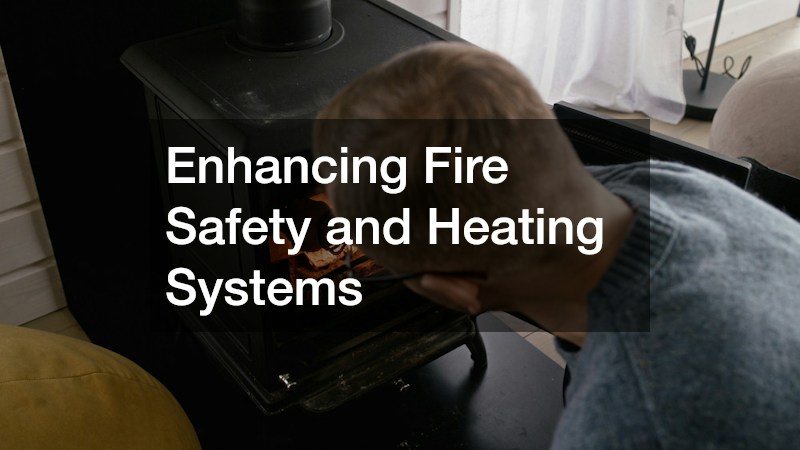
Fire safety requires constant vigilance, functional technology, and regular upkeep of all heat-producing appliances. Ensuring your heating systems are operating correctly protects your property from catastrophic structural fires and toxic gas buildups.
Caring for Fireplaces and Hearth Tools
Open hearths bring warmth and ambiance to family spaces during cold months, but they also bring open flames directly inside your primary living area. Using specialized fireplace accessories such as sturdy spark screens, heavy-duty iron log grates, and heat-resistant gloves prevents stray embers from popping out onto nearby hardwood floors or plush rugs. Keeping these functional tools accessible ensures that family members can manage fires safely and responsibly without risking accidental burns or stray sparks.
Servicing Flues and Chimneys
Combustion byproducts like creosote build up inside chimney flues over months of continuous wood burning, creating an extremely flammable residue layer. If ignored, a hot fire can ignite this residue, leading to dangerous chimney fires that quickly spread into attics and roof frameworks. Scheduling annual fireplace services with a certified sweep guarantees that flue passages remain unobstructed, dampers function smoothly, and harmful gases like carbon monoxide vent properly out of your home.
Installing Advanced Fire Prevention Tools
While smoke alarms serve as essential early warning devices, active suppression offers an extra tier of physical defense against rapidly spreading flames. Modern residential engineering allows home builders to integrate automated water lines directly into ceiling structures to extinguish fires before fire departments arrive on the scene. Specialized fire sprinkler design companies engineer these systems to target high-risk areas precisely, dramatically increasing survival rates and preserving structural integrity during fire incidents.
- Test all smoke alarms and carbon monoxide detectors on every floor of your home on a monthly schedule.
- Keep accessible, fully charged fire extinguishers in high-risk zones like kitchens, workshops, and near heating equipment.
- Practice a structured family escape plan twice a year so every member knows multiple clear exits from every room.
Securing Outdoor Living Spaces and Yard Hazards
Your home safety strategy should not stop at the front door. The grounds, trees, and outdoor recreational areas surrounding your house present unique safety requirements that demand equal consideration.
Maintaining Canopy Health
Large, mature trees add beauty, shade, and property value to your home, but unmaintained limbs pose severe risks during stormy weather. Dead branches, internal trunk decay, and top-heavy canopies can snap under high winds or heavy ice accumulation, falling directly onto roofs, power lines, or play areas. Hiring an experienced arborist to evaluate tree health, prune weak limbs, and balance dense branches ensures your landscape remains a safe asset rather than a structural hazard.
Handling Storm Emergencies
Severe weather events can tear healthy trees from saturated soil or shatter massive structural branches without warning. When a fallen tree blocks driveways, damages utility connections, or threatens to collapse onto living structures, immediate intervention is necessary to prevent further harm. Relying on professional emergency tree removals ensures that massive, unstable timber is cleared safely with heavy equipment without placing homeowners or neighbors in danger.
Securing Water Features and Pools
Inground pools, hot tubs, and ornamental ponds offer endless summer enjoyment, but they represent significant physical hazards for young children and household pets. Unrestricted access to open water remains a leading cause of accidental injuries around residential properties.
- Erect a self-closing, self-latching security fence at least four feet tall entirely around the perimeter of the pool area.
- Install motion-activated pool perimeter alarms that sound an audible warning if someone falls into the water unexpectedly.
- Apply anti-slip coatings or textured pavers to pool decks to prevent dangerous slips and falls on wet surfaces.
Customizing Outdoor Structures
Designing a custom backyard setup requires balancing entertainment value with rigorous long-term safety standards. Working with a reputable pool contractor ensures that water features, drainage paths, dynamic lighting, and electrical connections meet strict modern safety codes, keeping your outdoor oasis completely hazard-free.
Cultivating Everyday Household Safety Habits
Building a safe living environment is an ongoing practice supported by daily habits, open communication, and organizational routines. In addition to maintaining major mechanical systems and structural components, everyday safety practices protect your family from common household accidents.
Preventing Slips, Trips, and Falls
Accidental falls are among the most common sources of non-fatal injuries inside residential properties, affecting toddlers learning to walk and older adults alike. Simple adjustments to walking surfaces and lighting can eliminate the majority of trip hazards.
- Secure all loose area rugs and hallway runners with non-skid rubber backings or double-sided rug tape.
- Install brightly lit nightlights along hallways, stairwells, and bathrooms to illuminate late-night walking paths clearly.
- Keep staircases completely clear of shoes, toys, books, and folded laundry at all times to prevent trips.
Childproofing and Chemical Storage
Young children are naturally curious and explore their environment through touch and taste. Securing household cleaning products, medications, and sharp tools prevents accidental poisonings and physical injuries.
- Store liquid laundry pods, bleach, pest sprays, and drain cleaners in high, locked cabinets rather than under sinks.
- Keep all prescription medications, over-the-counter drugs, and vitamins in original child-resistant containers stored out of sight.
- Install safety latches on low kitchen and bathroom cabinets that contain heavy cookware, glass items, or sharp utensils.
Securing Heavy Furniture and Appliances
Unsecured dressers, bookshelves, and flat-screen televisions can easily tip over if young children attempt to climb them. Anchoring heavy furniture pieces directly into wall studs with anti-tip straps creates a stable environment that prevents dangerous tip-over accidents.
- Mount large televisions securely to wall studs using heavy-duty bracket assemblies.
- Anchor tall bookcases, armoires, and heavy storage racks to solid structural framing.
- Install appliance locks on heavy appliances like ovens and washing machines to protect small children.
Electrical Safety and Cord Management
Overloaded power strips and exposed electrical outlets present serious shock and fire hazards inside modern homes. Organizing electronics and enforcing safe plugin practices keeps your electrical infrastructure operating smoothly.
- Install protective outlet covers or tamper-resistant receptacles in all rooms accessible to young toddlers.
- Replace frayed extension cords immediately and avoid running power lines under heavy rugs or carpets.
- Use surge protectors equipped with internal circuit breakers to safeguard expensive electronics from voltage spikes.
Emergency Preparedness and Communication
When unexpected disasters strike, having an organized plan ensures your family reacts calmly and efficiently. Preparedness transforms potential panic into structured, effective action.
- Post emergency contacts, poison control numbers, and your home address clearly near landlines or on the refrigerator.
- Assemble a well-stocked family first aid kit containing bandages, antiseptics, burn ointments, thermometers, and basic tools.
- Prepare an emergency go-bag with non-perishable food, bottled water, flashlights, batteries, and essential documents for rapid evacuations.
Maintaining Your Household Sanctuary
Creating a genuinely safe home environment is a continuous journey that evolves alongside your family. By systematically addressing hidden structural risks, maintaining essential appliances, securing your outdoor property, and fostering smart daily safety habits, you build a protective foundation that supports your household for years to come. Investing time, care, and professional expertise into your living space turns your house into a true sanctuary where every family member can feel completely protected, comfortable, and at ease.